Espresso Coffee: How Much Caffeine Does It Have?
Espresso coffee is small in size but big in reputation. Many people assume that because espresso tastes intense and bold, it must contain more caffeine than any other type of coffee. In reality, espresso’s caffeine content is often misunderstood. While it is more concentrated, the total caffeine you consume depends on serving size, coffee beans, roast level, and brewing method.
Understanding how much caffeine is in espresso coffee helps you manage your daily intake, avoid unwanted side effects like jitters, and choose the right coffee based on your energy needs. Let’s break it down clearly and accurately.
What Is Espresso Coffee?
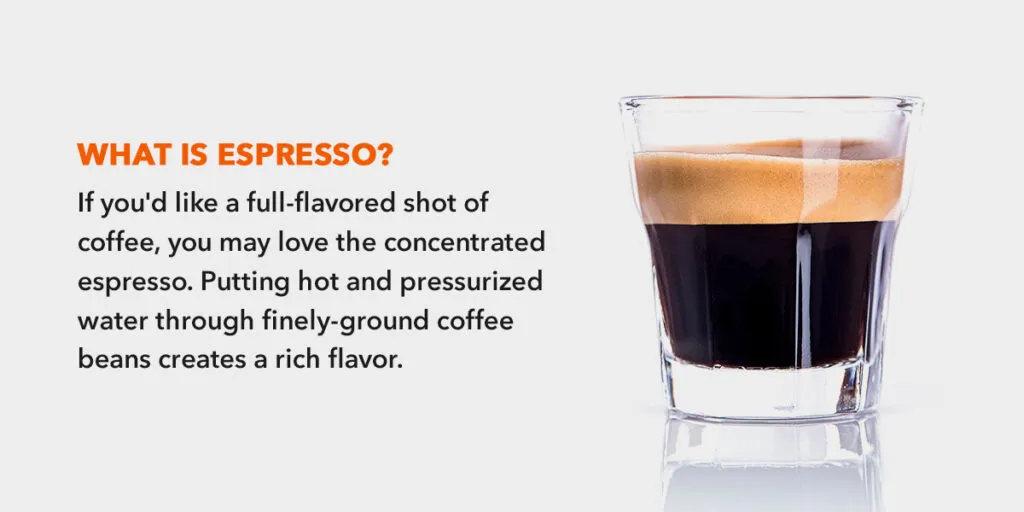
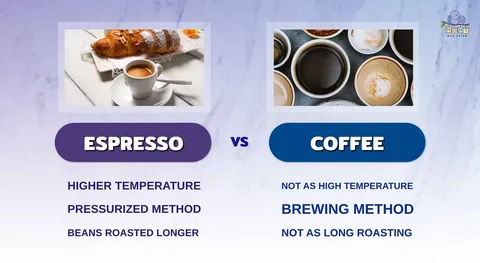
Espresso is a concentrated coffee brewed by forcing hot water through finely ground coffee beans under high pressure. This method produces a rich, aromatic shot with a thick crema layer on top. Compared to drip or filter coffee, espresso uses less water and a much shorter extraction time, resulting in a bold flavor packed into a small volume.
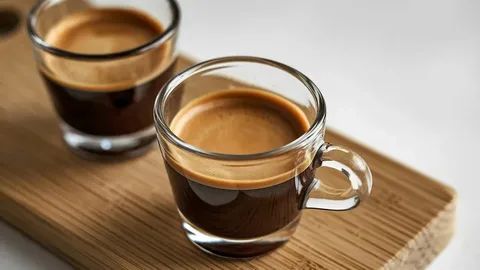
A standard espresso shot is usually about 25 to 30 milliliters, commonly known as a single shot. Despite its small size, espresso delivers a strong taste and aroma, which is why many people believe it contains excessive caffeine.
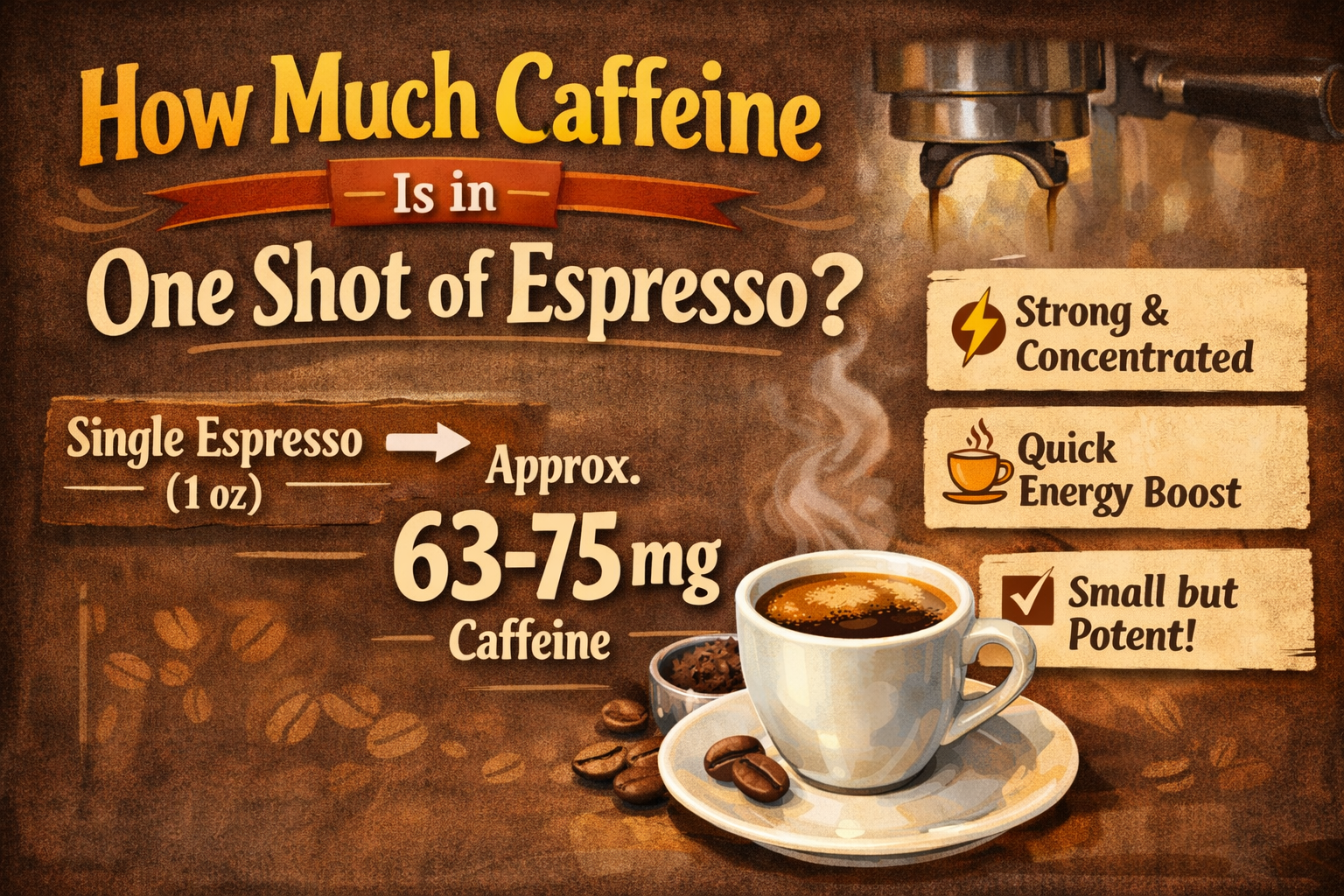
How Much Caffeine Is in One Shot of Espresso?
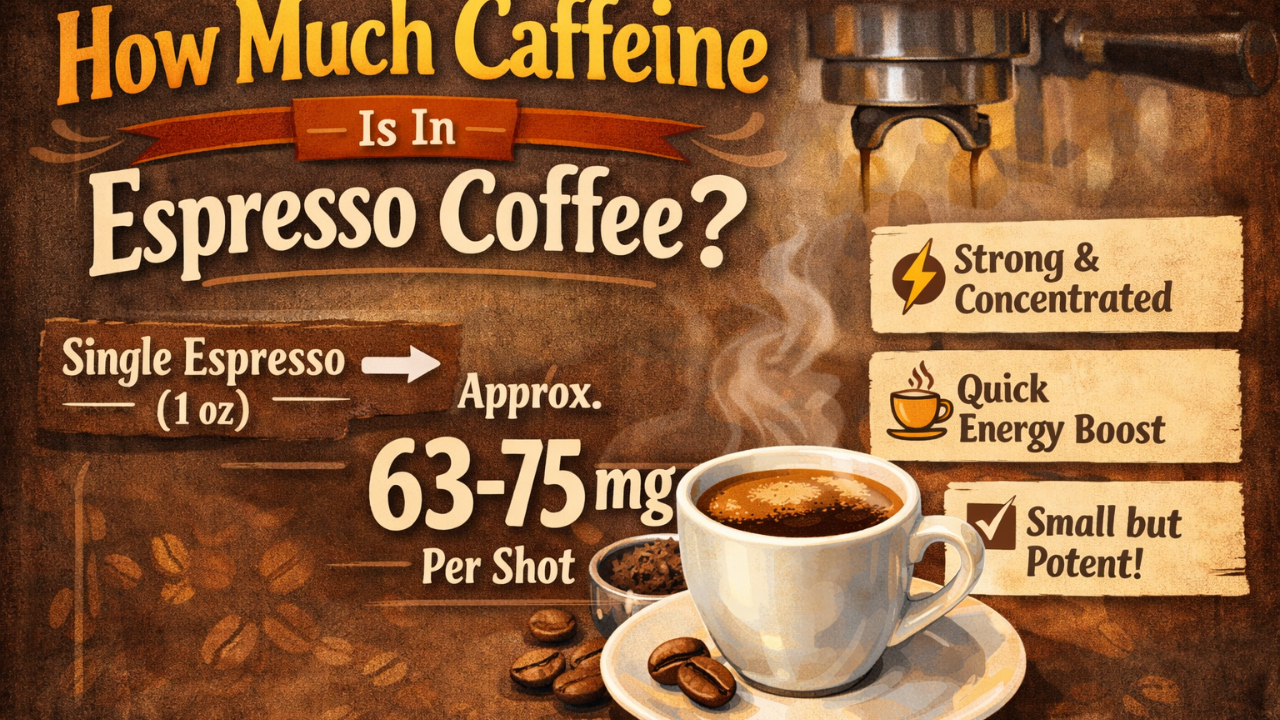
On average, one single shot of espresso contains around 60 to 65 milligrams of caffeine. This number can vary slightly depending on the coffee beans used, the grind size, and the extraction method, but it remains a reliable estimate across most cafés and home espresso machines.
A double shot of espresso, which is now the standard in many modern coffee shops, contains approximately 120 to 130 milligrams of caffeine. This means that drinks like lattes, cappuccinos, or flat whites made with two shots often contain a caffeine amount similar to—or slightly less than—a large cup of brewed coffee.
Espresso vs Brewed Coffee: Which Has More Caffeine?
This is where confusion usually begins. Espresso has more caffeine per ounce, but brewed coffee typically delivers more caffeine per serving.
A single ounce of espresso contains about 60 to 65 milligrams of caffeine, making it very concentrated. Brewed coffee, on the other hand, contains only about 10 to 12 milligrams of caffeine per ounce. However, a standard cup of brewed coffee is much larger, usually around 240 milliliters or more.
Because of this larger volume, a full cup of brewed coffee often contains between 90 and 120 milligrams of caffeine. In some cases, it may even exceed that amount. So while espresso is stronger per ounce, brewed coffee often provides more total caffeine simply because you drink more of it.
Why Espresso Tastes Stronger Than It Actually Is
The intense flavor of espresso is not directly linked to higher caffeine levels. Instead, it comes from the brewing process. Fine coffee grounds, high pressure, and short extraction time pull out oils and flavor compounds quickly, creating a bold and rich taste.
Bitterness and strength are often mistaken for caffeine intensity. While caffeine does have a bitter taste, the overall flavor of espresso depends more on roast level, bean quality, and extraction technique than on caffeine content alone.
see more : How Much Caffeine in Coffee
Factors That Affect Caffeine in Espresso
Not all espresso shots are created equal. Several factors influence how much caffeine ends up in your cup.
Type of Coffee Beans
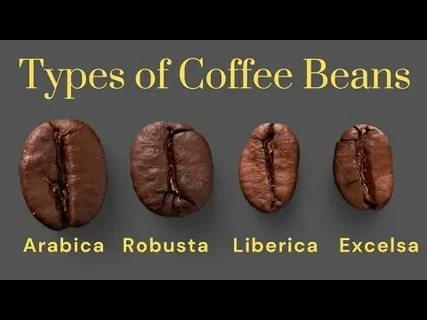
Espresso is usually made using Arabica, Robusta, or a blend of both. Arabica beans contain less caffeine and are known for smoother, more complex flavors. Robusta beans contain nearly double the caffeine and produce a stronger, more bitter taste. Espresso blends that include Robusta typically have higher caffeine content.
Roast Level
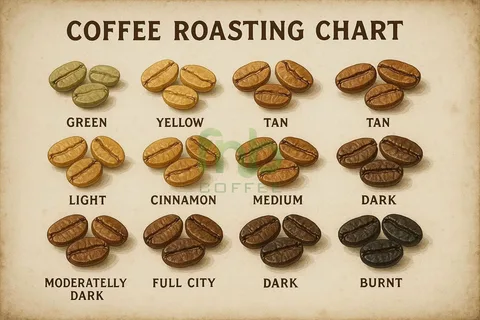
Many people believe dark roast coffee has more caffeine, but this is a common myth. Light roasts actually retain slightly more caffeine by weight, while dark roasts lose a small amount during the roasting process. However, the difference is minimal and unlikely to be noticeable in everyday consumption.
Shot Size and Coffee Dose
Traditional single espresso shots use about 7 to 9 grams of coffee, while modern double shots often use 18 to 20 grams. More coffee grounds generally mean more caffeine, especially when extraction is done correctly.
Extraction Time
Longer extraction times allow more caffeine to be pulled from the coffee grounds. However, over-extraction can lead to bitterness and unpleasant flavors. Most baristas aim for balance rather than maximum caffeine extraction.
Caffeine in Popular Espresso-Based Drinks
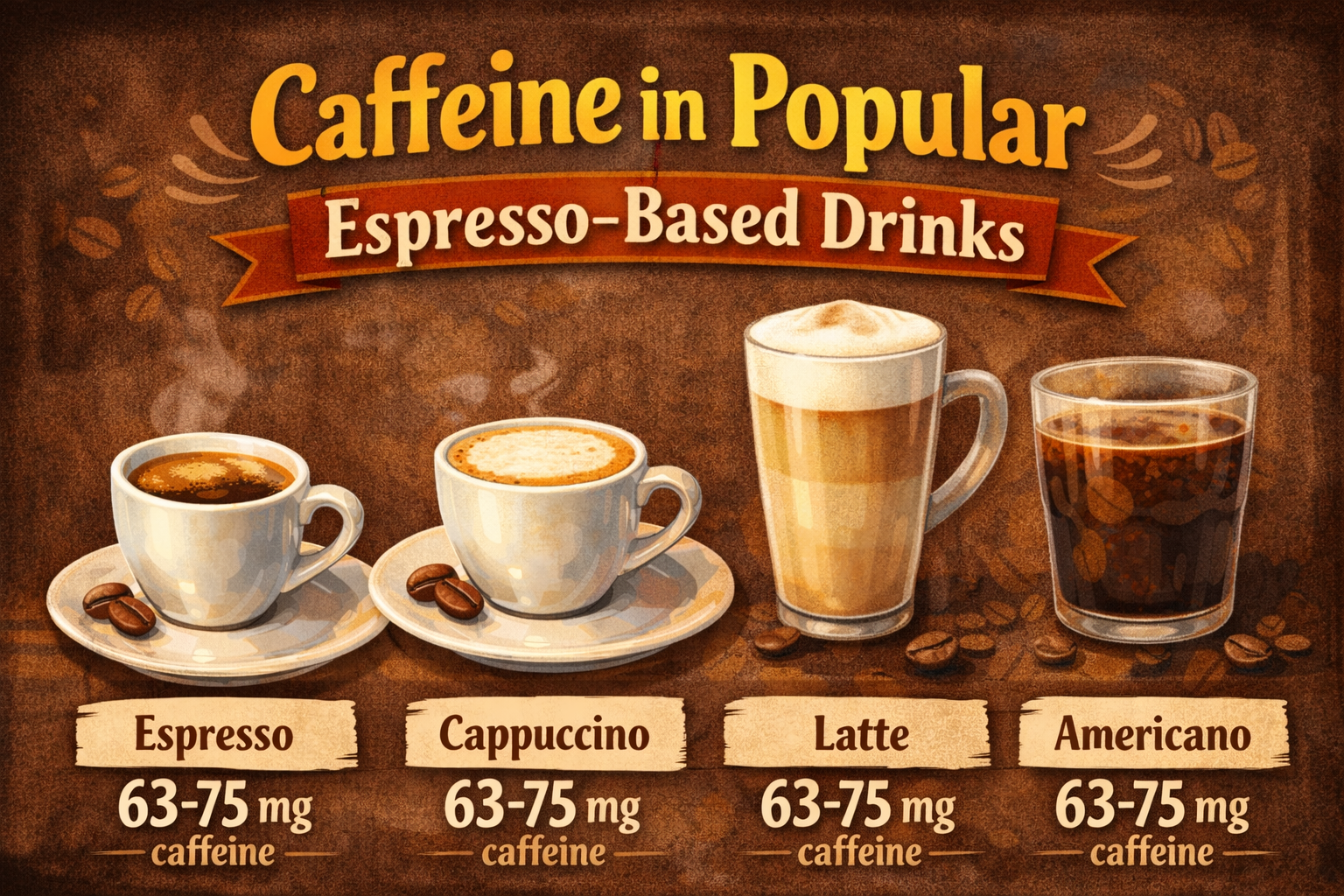
Most people don’t drink espresso on its own. Instead, they consume it in milk-based or diluted beverages. The caffeine content of these drinks depends almost entirely on how many espresso shots they contain.
A cappuccino or latte made with one shot contains about 60 to 65 milligrams of caffeine. With two shots, the caffeine content doubles. Drinks like Americanos, which are made by adding hot water to espresso, do not increase caffeine levels; they only dilute the strength.
Iced espresso drinks contain the same amount of caffeine as hot ones unless extra shots are added.
Is Espresso Stronger Than Energy Drinks?
Espresso is highly concentrated, but many energy drinks contain equal or even higher amounts of caffeine per serving. A typical energy drink can contain anywhere from 80 to 160 milligrams of caffeine per can.
The key difference lies in how caffeine is consumed. Energy drinks are often consumed quickly, leading to a faster caffeine spike. Espresso is usually sipped slowly, which can make its effects feel smoother and more controlled.
How Espresso Caffeine Affects the Body
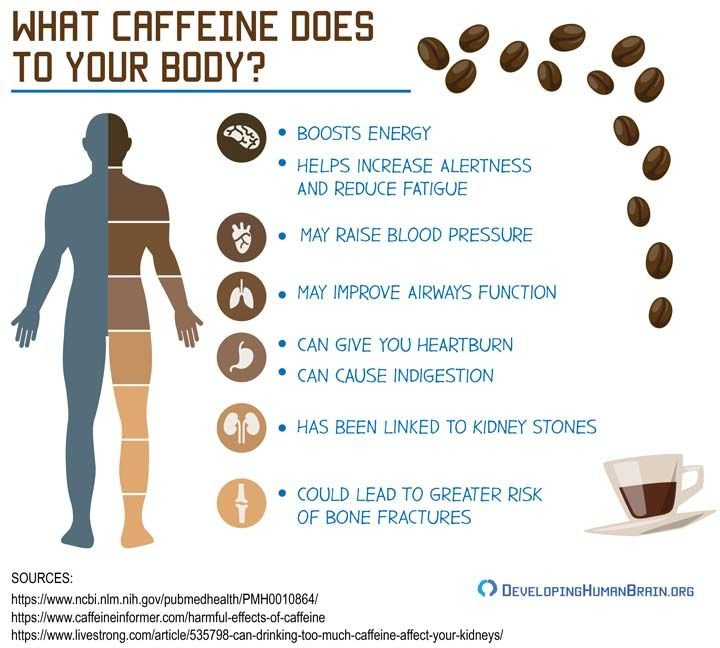
Caffeine works by blocking adenosine, a chemical in the brain responsible for relaxation and sleepiness. This results in increased alertness, better focus, and reduced fatigue.
Because espresso is concentrated, its caffeine effects can be felt quickly. This makes it a popular choice in the morning or during short breaks when a fast energy boost is needed. However, caffeine sensitivity varies from person to person. Some individuals may feel jittery after a single shot, while others can drink multiple shots without noticeable effects.
Should Espresso Be the Better Choice for Caffeine Control?
Espresso can be a smart option for people who want better control over their caffeine intake. Because espresso is served in small, measured portions, it allows you to know exactly how much caffeine you are consuming per shot. A single espresso shot contains around 60 to 65 milligrams of caffeine, making it easier to track compared to large mugs of brewed coffee, which often contain hidden or inconsistent caffeine amounts.
For coffee lovers who enjoy a strong flavor but want to avoid excessive caffeine, espresso offers a balanced solution. Instead of slowly consuming large cups throughout the day, one carefully chosen espresso shot can deliver satisfaction without pushing caffeine intake too high.
What Is the Safe Daily Amount of Espresso?
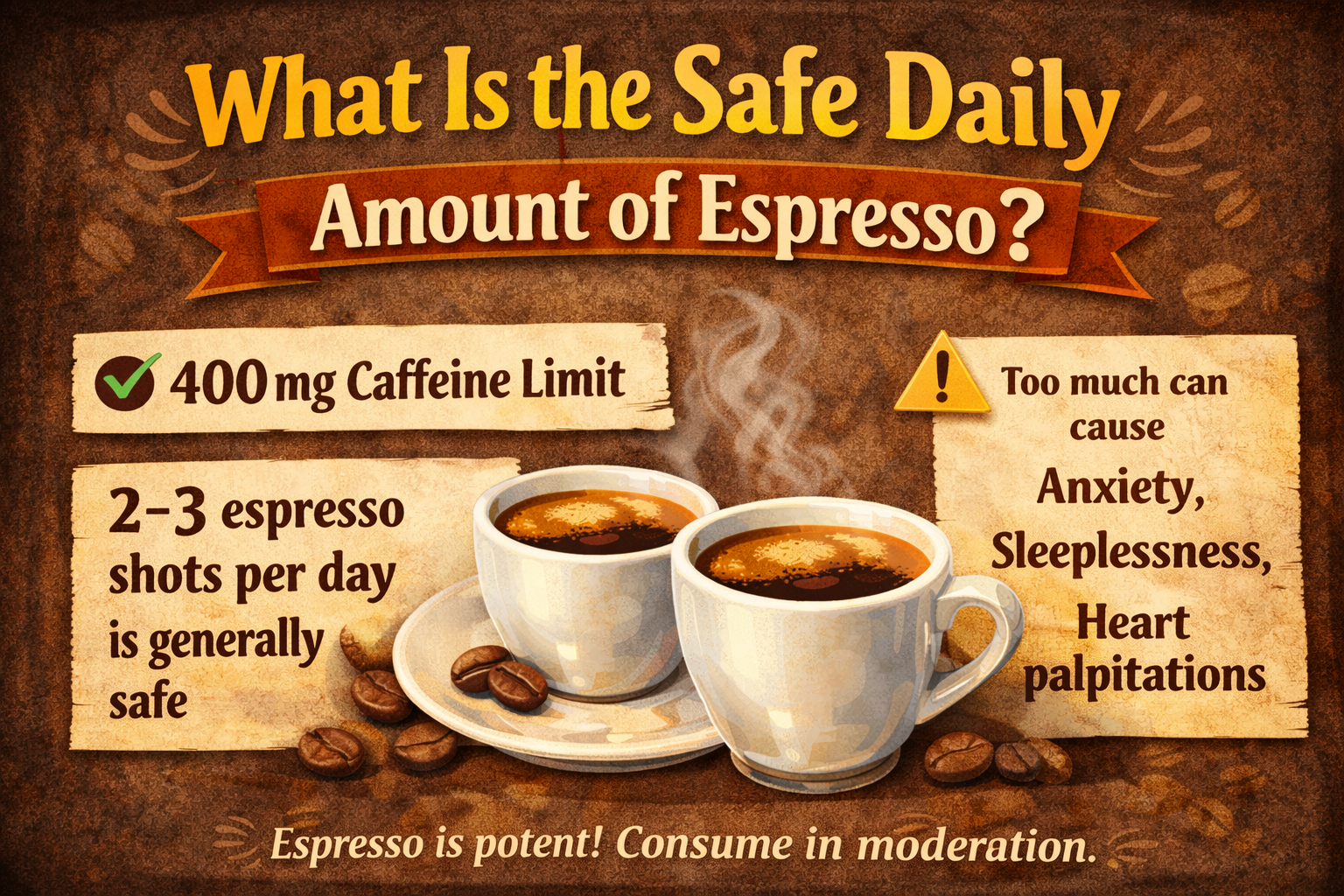
Health experts generally agree that up to 400 milligrams of caffeine per day is safe for most healthy adults. Based on this guideline, you could consume around six single shots of espresso or three double shots in a day without exceeding recommended limits.
However, caffeine tolerance varies from person to person. Factors such as body weight, metabolism, sleep quality, and overall sensitivity to caffeine all play an important role. Pregnant individuals and those with certain medical conditions are often advised to limit caffeine intake even further and should consult a healthcare professional.
Is Decaf Espresso Completely Caffeine-Free?
Decaf espresso is not entirely free of caffeine. A single decaf espresso shot may still contain around 2 to 5 milligrams of caffeine. While this amount is very low, it can still affect people who are extremely sensitive to caffeine.