Is HEYTEA Halal? A Complete Guide for Muslim Consumers
Today, Muslim consumers are more aware than ever about what they eat and drink—especially when it comes to international food and beverage brands. With the rapid rise of modern tea chains across the world, one common and important question often comes up: Is HEYTEA halal?
HEYTEA has gained massive global popularity for its fruit teas, milk teas, and signature cheese tea drinks. As the brand expands into Muslim-majority and Muslim-minority countries, halal-conscious consumers want clarity before making a purchase. However, the answer to whether HEYTEA is halal is not a simple yes or no. It depends on several factors, including location, ingredients, preparation methods, and halal certification status.
This detailed guide explains everything Muslim consumers need to know about HEYTEA’s halal status around the world.
What Does Halal Mean in Food and Drinks?
To understand whether HEYTEA drinks are halal, it is important to first understand what halal means in Islam.
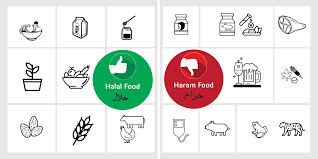
The word halal refers to anything that is permissible under Islamic law. When it comes to food and beverages, halal rules generally include:
-
No alcohol or intoxicating substances
-
No pork or pork-derived ingredients
-
All animal-based ingredients (such as milk, cream, or cheese) must come from halal sources
-
No cross-contamination with non-halal items during preparation, storage, or serving
Even if the ingredients themselves are halal, the preparation process matters just as much. Equipment, utensils, and storage areas must be properly cleaned and separated from non-halal products.
Because of these strict requirements, halal certification plays a crucial role. It gives Muslim consumers confidence that a product has been independently checked and complies with Islamic dietary laws.
HEYTEA as an International Brand
HEYTEA originally started in China and later expanded to multiple countries, including Malaysia, Singapore, the United States, the United Kingdom, Canada, and other regions.
Since HEYTEA operates internationally, it does not follow one single global halal standard. Instead, its halal status varies by country, depending on local regulations and whether the brand has applied for halal certification in that region.
Some countries actively encourage halal certification, while others leave it optional. This difference is the main reason why many Muslim consumers feel uncertain about HEYTEA’s halal status.

Is HEYTEA Halal in Malaysia?
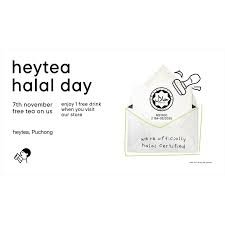
Yes — HEYTEA is halal in Malaysia.
HEYTEA outlets in Malaysia have received official halal certification from JAKIM, one of the most respected halal certification authorities in the world. This certification confirms that:
-
All ingredients used are halal
-
Suppliers are approved
-
Storage and preparation processes meet halal standards
-
There is no cross-contamination with haram products
For Muslim consumers in Malaysia, this certification provides strong assurance that HEYTEA drinks are safe and halal to consume. When you see the halal logo at a Malaysian HEYTEA outlet, it means the brand has gone through strict inspections and audits.
HEYTEA Halal Status Outside Malaysia
Outside Malaysia, the situation is different.
In most other countries, HEYTEA does not currently hold official halal certification. This does not automatically mean the drinks are haram, but it does mean there is no third-party verification confirming that all ingredients and preparation methods fully meet halal requirements.
Because of this lack of certification, Muslim consumers in these regions are often left uncertain about whether HEYTEA drinks are halal.
Alcohol Concerns in HEYTEA Drinks
One of the biggest concerns regarding halal beverages is alcohol content.
HEYTEA does not sell alcoholic drinks, and its teas are generally non-alcoholic. However, some modern beverages may include:
-
Flavorings
-
Syrups
-
Extracts
These ingredients are sometimes manufactured using alcohol as a solvent or may contain trace amounts of alcohol.
Islamic scholars differ on this issue:
-
Some believe any amount of alcohol is haram
-
Others allow very small, non-intoxicating trace amounts that are not intentionally added
Without halal certification, it is difficult for consumers to verify the source of these ingredients. As a result, opinions vary depending on personal beliefs and religious guidance.
Cheese Foam and Dairy Ingredient Concerns
Another major concern for halal consumers is HEYTEA’s popular cheese foam topping.
Cheese can become problematic because:
-
It may be made using rennet or enzymes derived from non-halal animal sources
-
The origin of dairy enzymes is often unclear without certification
In halal-certified outlets, these ingredients are carefully checked and approved. However, in non-certified countries, this information is usually not clearly disclosed to customers.
For Muslims who prefer to avoid doubtful ingredients, cheese foam and dairy-heavy drinks may be a reason for caution.
Cross-Contamination Risks
Cross-contamination is another important halal factor.
In halal-certified environments, there are strict rules to ensure:
-
Separate storage for halal ingredients
-
Dedicated utensils and equipment
-
Proper cleaning procedures
In non-certified HEYTEA outlets, equipment and preparation areas may be shared. Even if the ingredients themselves are halal, improper handling can make the final product questionable from a halal perspective.
How Muslim Consumers Approach HEYTEA Worldwide
Because of these uncertainties, Muslim consumers take different approaches when it comes to HEYTEA:
-
Certified-Only Consumers
Some Muslims only consume HEYTEA in countries like Malaysia where official halal certification exists. -
Selective Consumers
Others choose safer options in non-certified countries, such as:-
Plain tea
-
Fruit tea without syrups
-
Drinks without cheese foam or dairy
-
-
Avoidance Approach
Some Muslims completely avoid HEYTEA in non-certified locations and prefer brands with clear halal certification.
Each approach depends on personal comfort, religious understanding, and level of caution.
Differences in Islamic Opinions
Islamic rulings can vary based on scholarly interpretation.
-
Some Muslims follow a very strict approach and avoid anything doubtful
-
Others adopt a more flexible view when there is no clear evidence of haram ingredients
Because of this, halal decisions often become a personal choice, especially in countries where halal certification is absent.
Final Verdict: Is HEYTEA Halal?
In summary:
-
HEYTEA is halal in Malaysia, where it holds official JAKIM halal certification
-
In most other countries, HEYTEA is not officially halal certified
-
The drinks are mostly tea-based and non-alcoholic
-
However, concerns may exist regarding flavorings, dairy ingredients, and cross-contamination
For halal-conscious Muslim consumers, the safest option is to rely on certified outlets or choose simple, non-dairy beverages when certification is not available.