
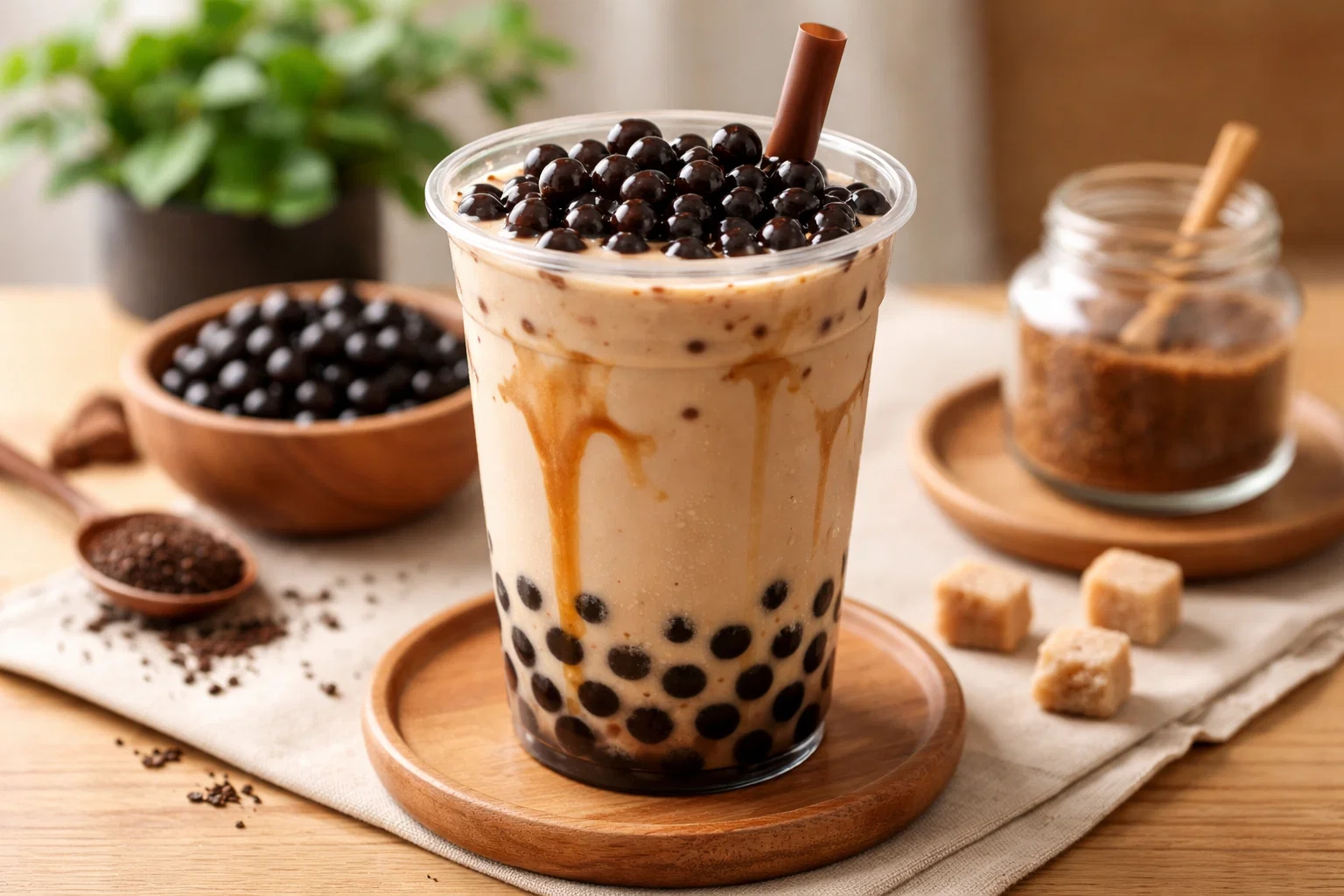
When you have passed by a tea cafe and saw people sipping colourful beverages loaded with chewing pearls, there is a likelihood that you have experienced boba tea. Bubble tea or bubble tea as it is commonly referred to has evolved into more than a local Taiwanese delicacy to a global addiction. Boba tea has been able to establish its permanent place in the contemporary beverage culture with its playful textures, limitless flavors combinations, and its Instagram-worthy presentation. Boba tea is not a mere fad. It is a sensory experience, an experience that contains a combination of taste, texture, creativity, and culture in each drink. Regardless of whether you are a beginner in bubble tea or a long-time customer already, it may be best to understand how it came to be, what it is made of, and what makes it so good to appreciate it more.
And now, we enter the very exciting realm of boba tea and discover the secrets of its truly irresistible popularity.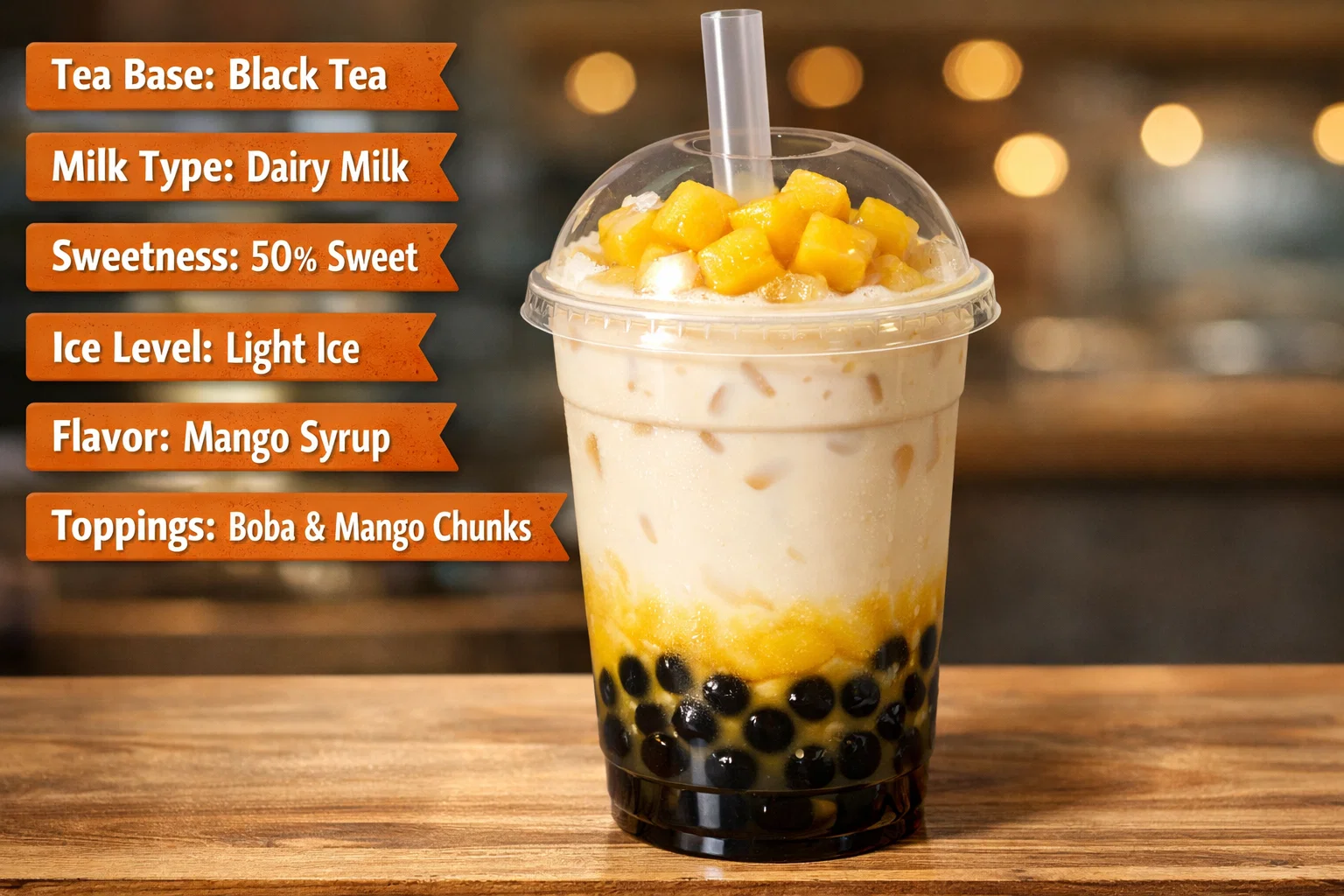
What Exactly Is Boba Tea?
The original idea of boba tea is a beverage that is Taiwanese and consists of tea, milk, or fruit flavors, sweeteners, and an assortment of toppings, most popularly, tapioca pearls. These are pearls which are placed at the bottom of the cup and are served in a wide straw and give one a drink and chew experience.
The origin of Boba tea is Taiwan, in the 80s, when it was the first to be served in Taiwan, but what was originally a mere experiment soon turned into a worldwide trend. Nowadays, the menu of boba tea can reach hundreds of different options, including to the classic milk tea, fruit teas and delicious desserts with the tuchne.
The only defining attribute of boba tea is its versatility. You are able to personalize almost everything:
-
Tea base (black, green, oolong, jasmine, or herbal)
-
Milk type (dairy or plant-based)
-
Sweetness level
-
Ice level
-
Flavor syrups or fruit purees
-
Toppings
Such individualization enables each drinker to make a cup that perfectly suits them, thus, making boba tea as personal as the person who is drinking it.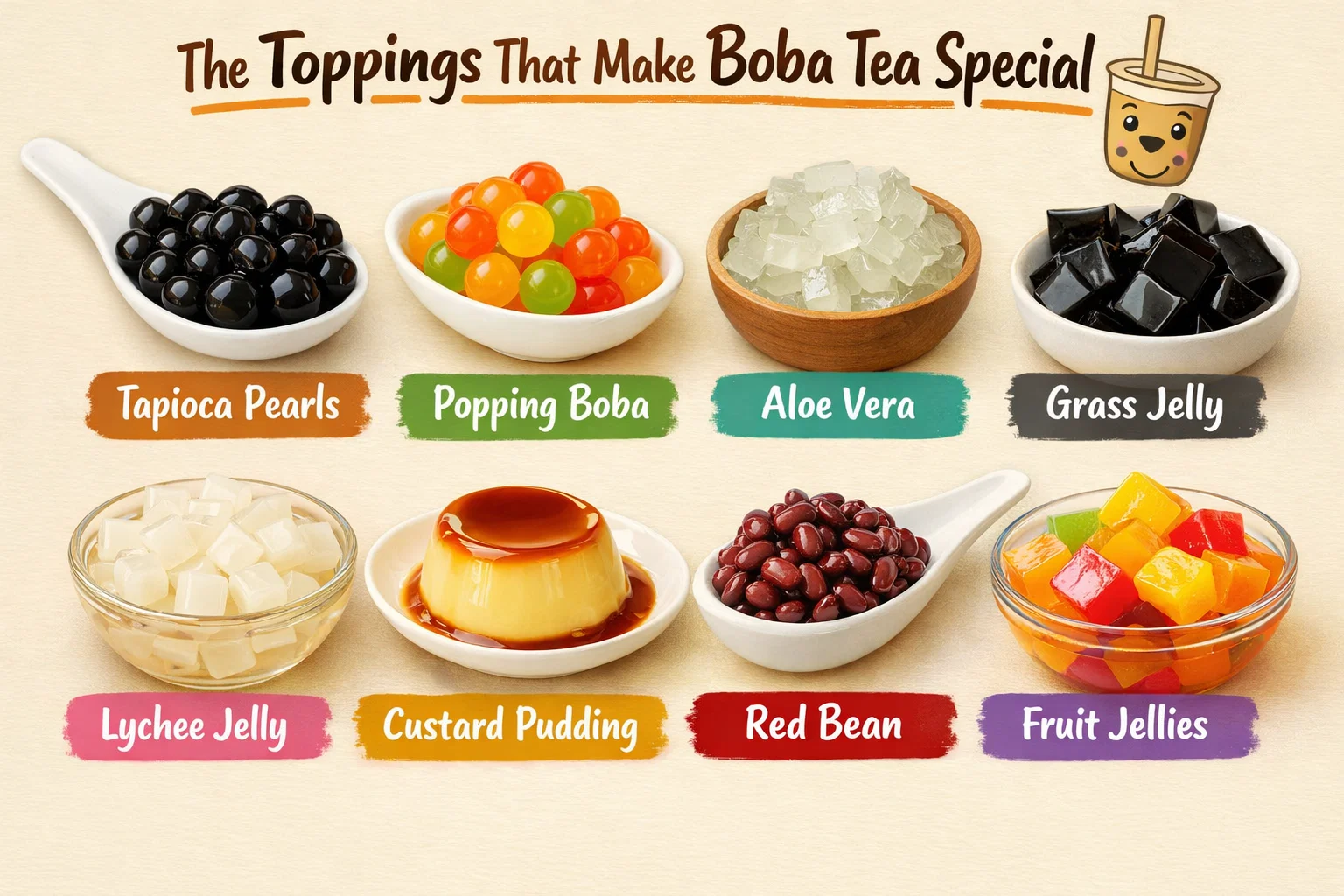
The Toppings That Make Boba Tea Special
Boba tea is topped with items that make the tea special, although the tea itself matters too. These enhancements make a mere drink an interactive one.
Tapioca Boba: The Classic Favorite
The most iconic and originally used topping is tapioca pearls commonly referred to as boba. These are boiled of cassava starch, soft and chewable, and then immersed in a sweet syrup to add flavour to them.
What makes them so fondly received is their texture which is a bit elastic, slightly chewy, and most satiating. Every swallow will have the juxtaposition of smooth tea and chewing pearls and the beverage will keep you excited till the last moment.
Popping Boba: A Burst of Flavor
To those who would like to consume something more light and fruity, popping boba is a good option. These are tiny, liquid-filled balls, which pop when bitten, and have a taste in your mouth.
The most popular ones are mango, strawberry, lychee and passionfruit. Boba tastes great in combination with fruit teas and sparkling beverages, which make the experience of drinking it even more refreshing.
Jelly Toppings: Texture with a Twist
Boba tea is further enhanced with jelly toppings that provide another texture and taste. Widely used ones are coconut jelly, grass jelly, aloe vera jelly and coffee jelly. These toppings are harder compared to tapioca pearls yet soft enough to go hand in hand with the drink.
All the jellies have distinct flavor profiles, which gives drinkers an opportunity to explore and make a mix of something comfortable and unfamiliar.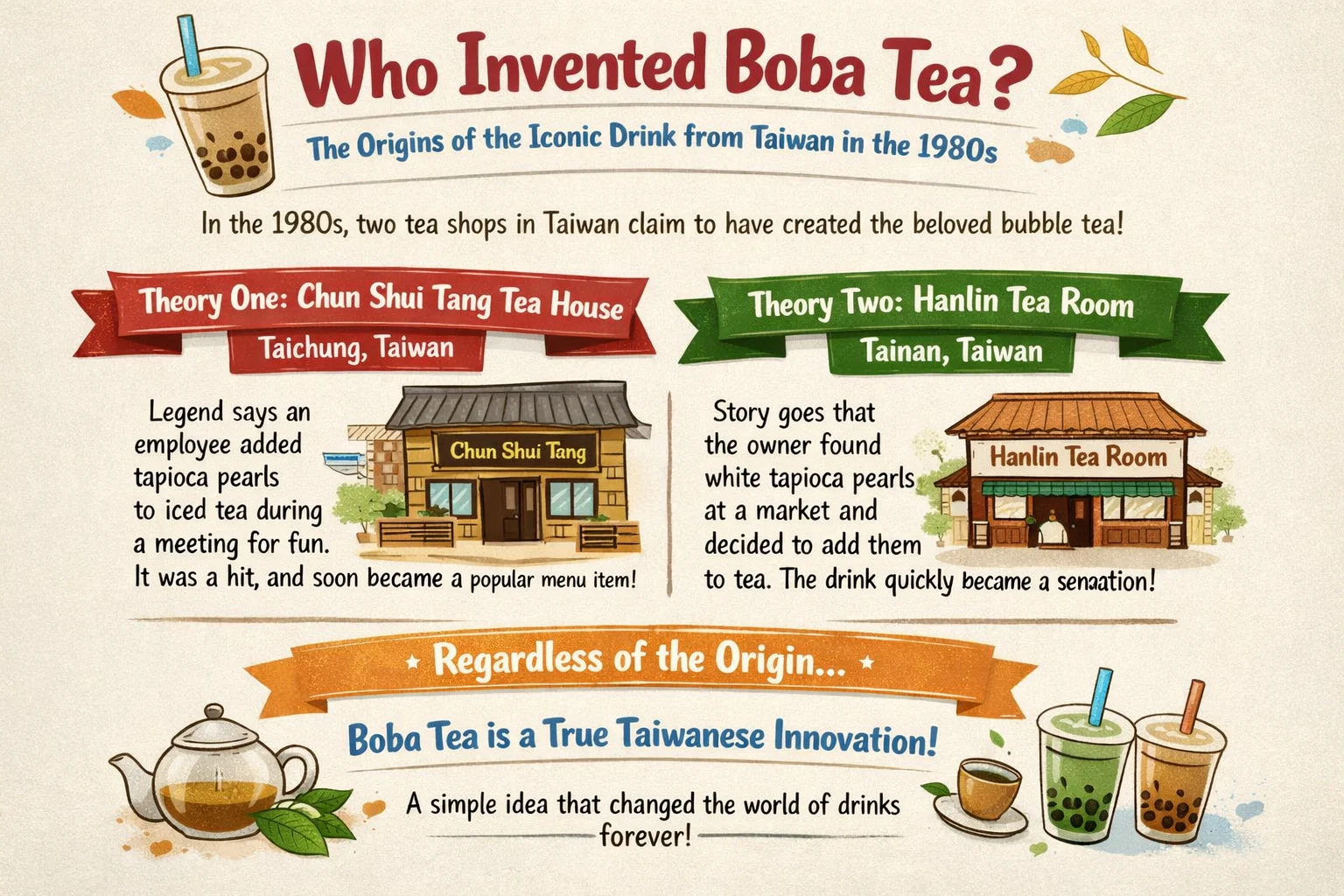
Who Invented Boba Tea?
The precise birth place of the boba tea is a matter of amicable discussion in Taiwan, but the place of its origin remains unquestionable. The drink was introduced in the 1980s when the culture of Taiwanese tea was in the process of a swift transformation.
Theory One: Chun Shui Tang Tea House
A famous legend attributes it to Chun Shui Tang, a tea house in Taiching, Taiwan. Based on this report, an employee had made sweetened tapioca pearls to ice tea in a non-meeting session. It turned out to be a very tasty combination and the shop started selling it to the customers. The beverage has become popular and it has expanded to other regions.
Theory Two: Hanlin Tea Room
The other theory refers to Hanlin Tea Room in Tainan. The owner is claimed to have found white tapioca pearls at a local market and made the decision of adding them to tea. This invention became popular and before long, the bubble tea was being used all over Taiwan.
All the stories are creative and experimental, no matter which one appeared first, but this is the essence of the Taiwanese tea culture. Boba tea is the perfect illustration on how a simple idea when used with imagination can forever alter the scenario of drinks.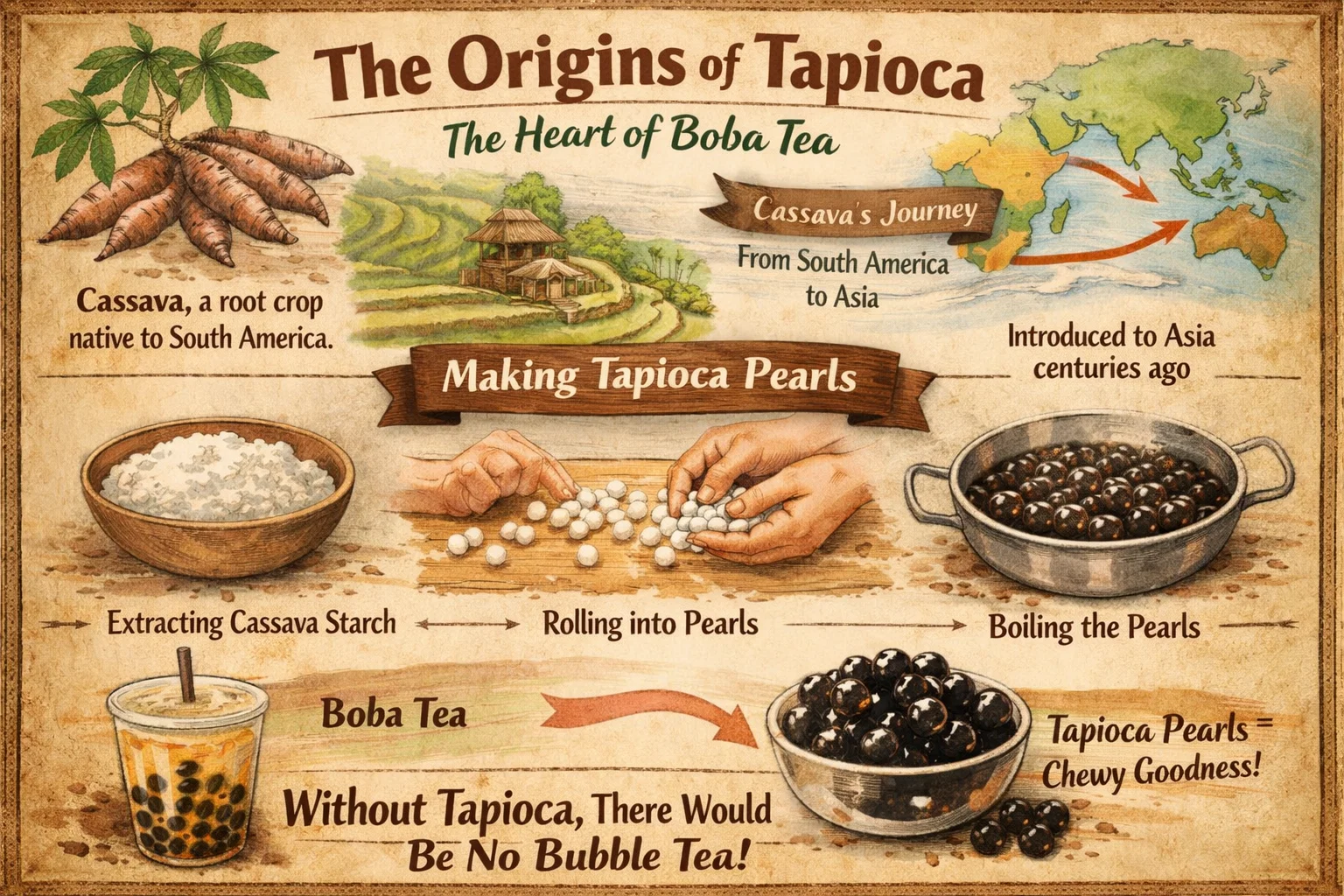
The Origins of Tapioca: The Heart of Boba Tea
Tapioca pearls are produced out of cassava, which is a root vegetable that grows in South America. The introduction of cassava in Asia dates back several centuries and the crop became staple because it was a versatile and durable crop.
Cassava starch is removed, combined with water, rolled into small balls and cooked in order to make tapioca pearls. Boba tea owes its most unique quality to this modest substance, namely its chewy texture.
This is because without tapioca, there would be no bubble tea.
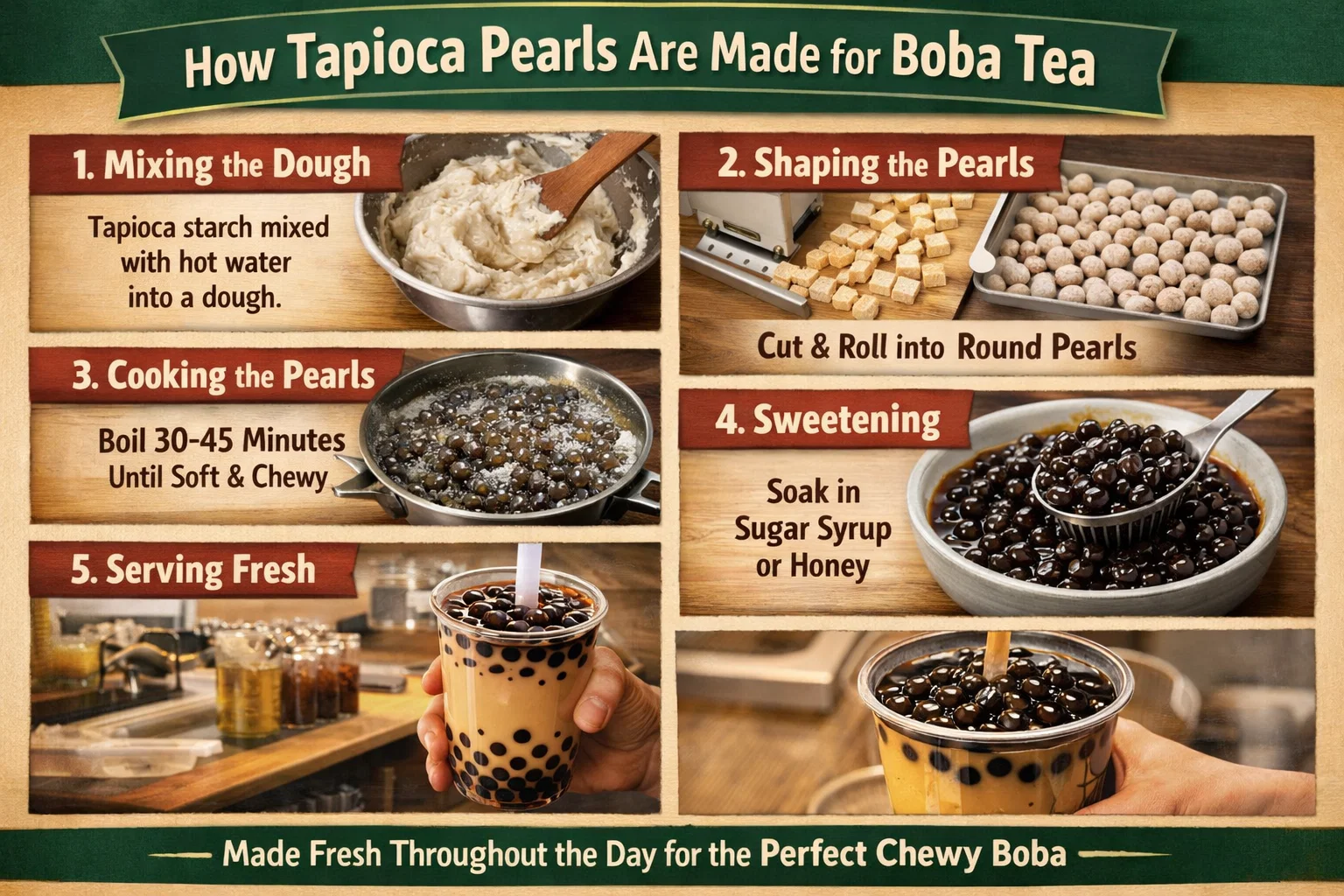
How Tapioca Pearls Are Made for Boba Tea
Every cup of boba tea is prepared with a lot of attention to guarantee quality and consistency.
1. Mixing the Dough
Tapioca starch is combined with hot water into a paste like dough. This is an important step towards attaining the correct texture.
2. Shaping the Pearls
The gluten is rolled and cut into small pieces, and these are molded to round pearls. Most tea shops utilize machines to guarantee the same size.
3. Cooking the Pearls
The unprocessed pearls are boiled in 30-45 minutes until the pearls are soft and chewies. The most important point is timing, as overcooking or undercooking may destroy the texture.
4. Sweetening
The pearls are dipped after cooking in sugar syrup or honey. This gives them taste and does not allow them to stick together.
5. Serving Fresh
The shelf life of tapioca pearls is very low and the pearl should be consumed within a few hours. They are made in small batches all day long in quality tea shops so as to be fresh. Each step is important and the outcome is the content chew that boba patrons desire.
Why Is Boba Tea So Popular?
The popularity of Boba tea all over the world does not happen by chance. A number of aspects combine to make it a cross-cultural and inter-generational favorite.
1. A Unique Sensory Experience
Boba tea is not only a drink, but it is an experience. Smooth tea versus chewy toppings, this is a play of its own and makes people interested.
2. Endless Customization
Boba tea has one of the most selections. There are different flavors of traditional milk teas as well as daring fruit combinations that will satisfy everyone. The flexibility will enable the customers to experience something new each time they do not get bored.
3. Social Media Appeal
Boba tea has an aesthetic appeal. Its bright colors, multiplied designs and transparent cups are ideal to share on the internet. Social media such as Instagram and Tik Tok have been significant in popularization of boba culture globally.
Is Boba Tea Healthy?
Boba tea should be taken in moderation just like most of the treats. Tapioca pearls contain high carbohydrates, and most dishes entail the use of added sugars.
Nevertheless, it is possible to eat less unhealthy:
-
Reduce sugar levels
-
Choose green or black tea bases
-
Opt for plant-based milk
-
Add fresh fruit instead of syrups
Even tea is full of antioxidants, which can be beneficial to the overall wellness. Meditative customization can make boba tea a part of a moderate life.
Can Boba Tea Be Vegan?
Yes, the boba tea may be fully vegan. Tapioca pearls are vegetarian, because they are produced out of cassava root. The trick lies in selecting dairy-free milk and ensuring that the syrups do not have animal-products.
Most tea bars have almond, oat, soy, or coconut milk, so vegans will not need to sacrifice the taste of bubble tea.
Bubble Up Your Day with Heytea
Being new to the world of boba tea or a dedicated customer, heytea is the right place to enjoy the thrilling world of this drink. Having an extensive selection of teas, toppings, and innovative flavor blends, each time there is something new and entertaining.
Boba tea is not a beverage but a joyful, creative and connective moment. Unless you run out of options to personalize your cup, every time you take a drink you will be in a new adventure.
Come by, have a taste and find out why boba tea still finds its way to the hearts of people all over the world, one chewy pearl at a time.