
Green Tea Caffeine Content: A Complete Guide
Green tea is one of the most widely consumed beverages in the world, valued for its antioxidants, refreshing flavor, and gentle energy boost. Many people choose green tea as a healthier alternative to coffee, but one common question often arises: how much caffeine does green tea contain?
The answer is not a single fixed number. Green tea caffeine content varies depending on the type of tea, brewing method, leaf quality, and serving size. Understanding these factors can help you choose the right green tea for your energy needs, lifestyle, and health goals.
Mean Green Tea Caffeine Content
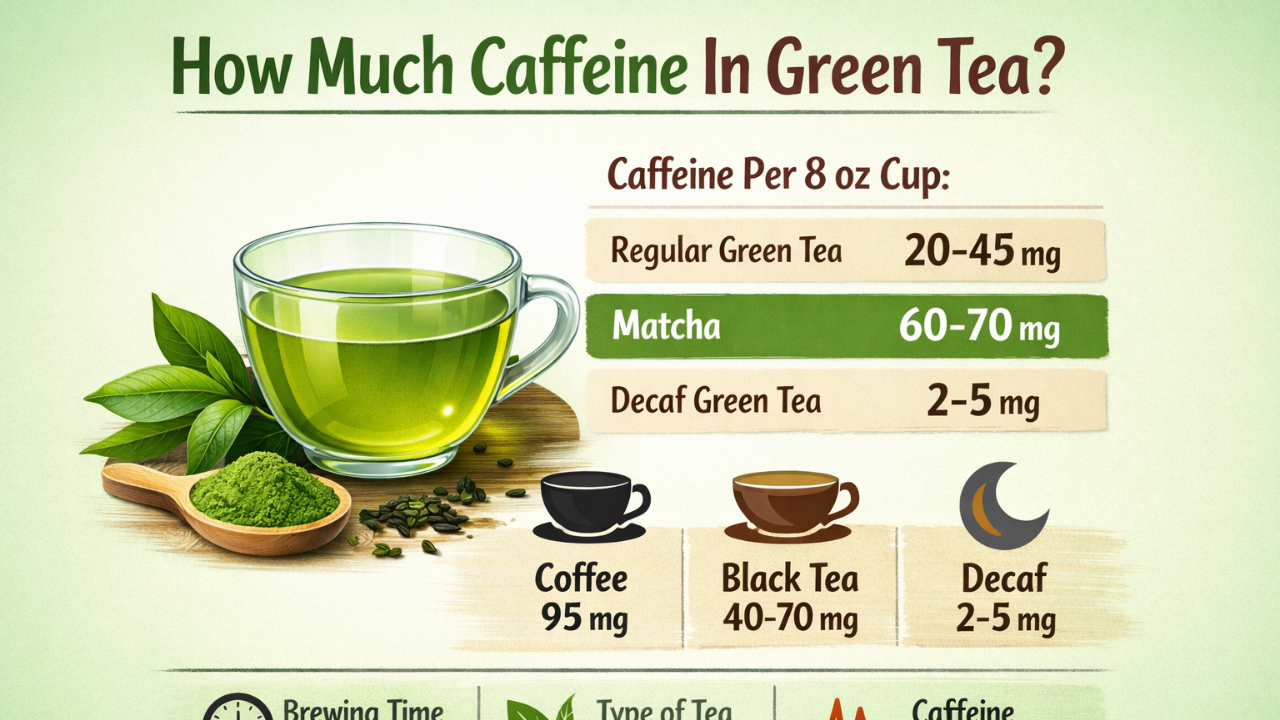
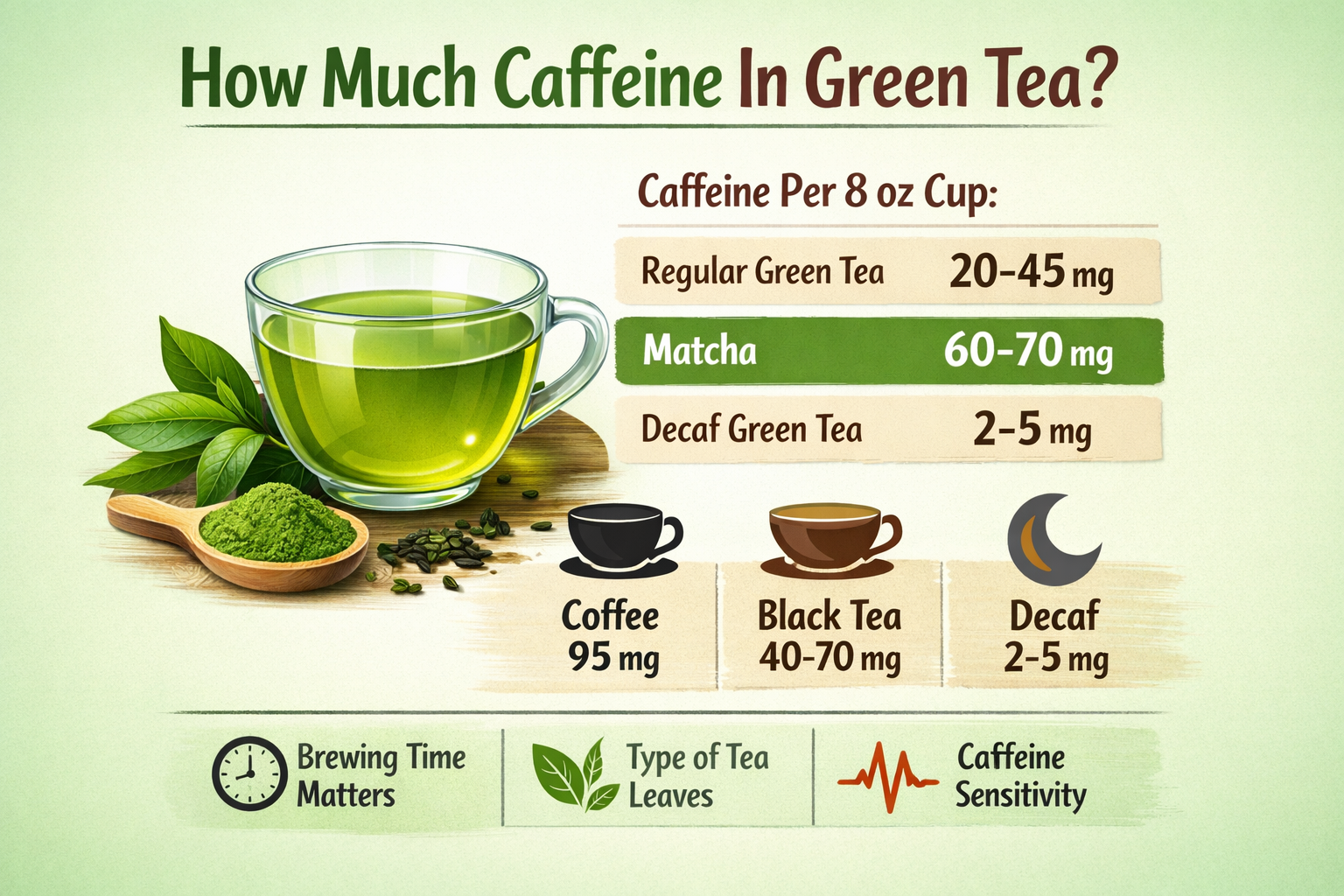
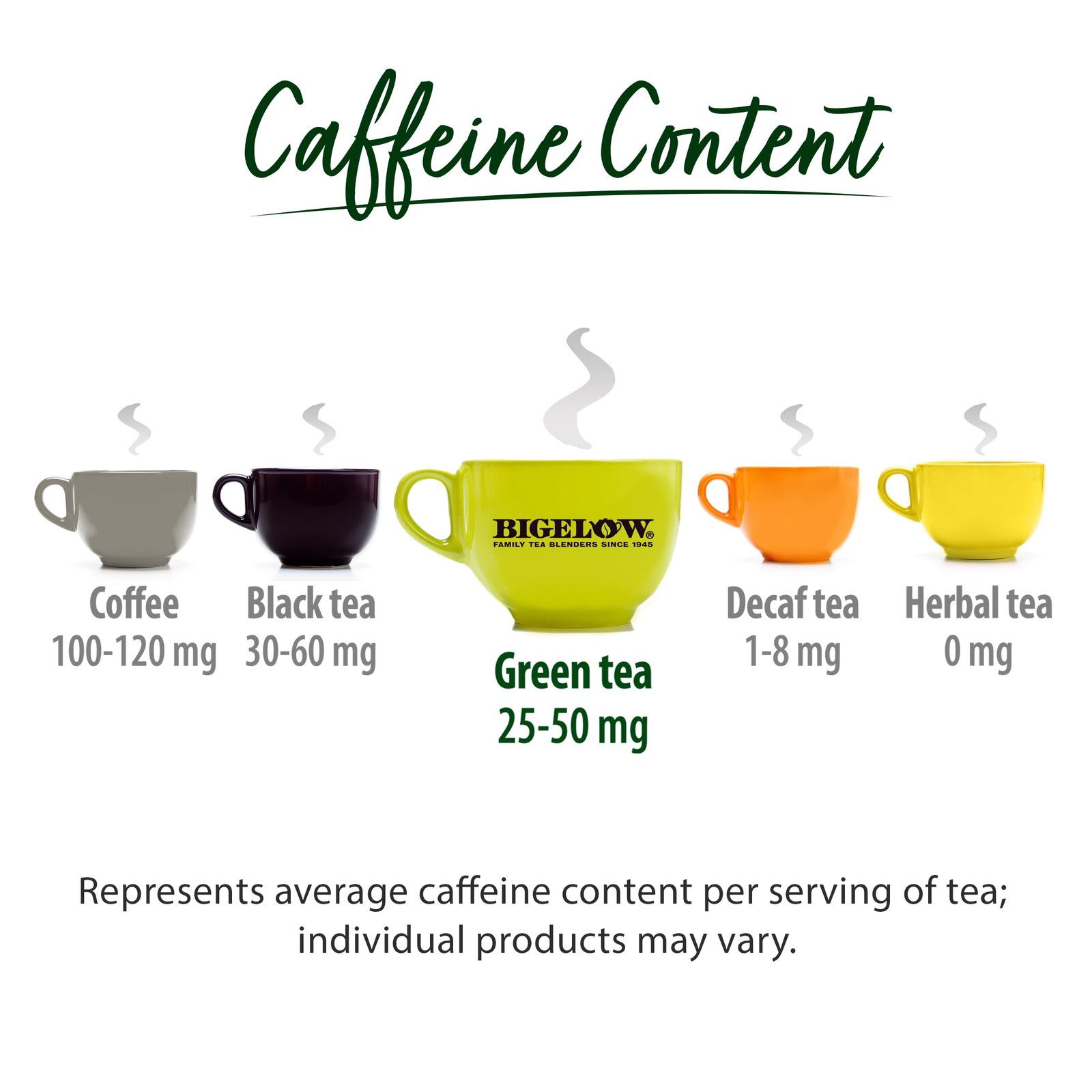
On average, an 8-ounce (240 ml) cup of green tea contains around 20 to 45 milligrams of caffeine. This amount is significantly lower than coffee, which typically contains 90 to 120 milligrams of caffeine per cup, and slightly lower than black tea, which ranges from 40 to 70 milligrams.
Because green tea falls in the moderate caffeine range, it is often preferred by people who want mental alertness without the intense stimulation, jitters, or energy crashes commonly associated with coffee.
Why Green Tea Contains Caffeine
Green tea comes from the Camellia sinensis plant—the same plant used to produce black tea, oolong tea, and white tea. Caffeine is naturally present in the leaves and acts as a defense mechanism against insects.
What makes green tea different is how it is processed. After harvesting, green tea leaves are quickly steamed or pan-heated to prevent oxidation. This process preserves natural compounds such as antioxidants, L-theanine, and caffeine, but generally in lower concentrations than heavily oxidized teas like black tea.

Factors That Influence Caffeine in Green Tea
The caffeine content in green tea can vary widely due to several key factors. This explains why one cup may feel stronger or milder than another.
1. Type of Green Tea
Different green tea varieties naturally contain different caffeine levels:
-
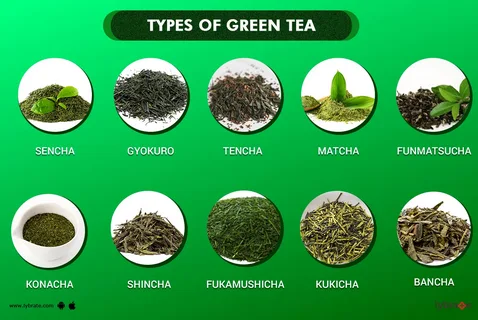
Sencha: One of the most common green teas, usually containing 30–40 mg of caffeine per cup.
-
Matcha: Made from finely ground whole tea leaves; it can contain 60–70 mg of caffeine per serving, making it the highest-caffeine green tea.
-
Gyokuro: A premium Japanese green tea grown in shade, often higher in caffeine than regular green teas.
-
Bancha: Made from older leaves and typically lower in caffeine.
-
Hojicha: Roasted green tea with very low caffeine, sometimes as little as 5–10 mg per cup.
Brewing Time
The longer green tea is steeped, the more caffeine is extracted.
-
Short brewing times (30–60 seconds) result in lower caffeine.
-
Longer brewing times (2–3 minutes) increase caffeine levels.
If you are sensitive to caffeine, steeping your tea for a shorter duration can significantly reduce its stimulating effect while maintaining flavor.
Water Temperature
Hotter water extracts caffeine more efficiently.
-
Brewing green tea with boiling water produces higher caffeine levels.
-
Using cooler water (around 70–80°C or 160–175°F) results in smoother taste and lower caffeine content.
Lower-temperature brewing is ideal for those who want a gentler cup of green tea.
Leaf Quality and Age
Younger tea leaves and buds contain more caffeine than older leaves. High-quality green teas often use young leaves, which explains why premium varieties may feel more energizing despite being green tea.
Serving Size
Using more tea leaves or powder increases caffeine intake. Matcha is especially high in caffeine because the whole leaf is consumed rather than discarded after brewing.
Green Tea vs Coffee: Caffeine Comparison
Many people switch from coffee to green tea to reduce caffeine intake. While green tea contains less caffeine, the experience is different due to L-theanine, an amino acid found naturally in tea.
L-theanine slows caffeine absorption and promotes relaxation while enhancing focus. This combination results in steady, calm alertness rather than the sudden spikes and crashes often associated with coffee.

Does Green Tea Provide Energy?
Yes, green tea does provide an energy boost, but it is generally smoother and longer-lasting. The caffeine in green tea stimulates the central nervous system, improving alertness, concentration, and reaction time.
At the same time, L-theanine supports mental clarity and relaxation, making green tea ideal for studying, working, or activities that require sustained focus rather than intense stimulation.
Is Green Tea Safe to Drink Every Day?
Green tea is widely considered safe and beneficial for daily consumption. Health experts recommend keeping total daily caffeine intake below 400 milligrams for healthy adults.
This means most people can safely drink 6 to 10 cups of regular green tea per day, depending on strength and individual caffeine sensitivity.
However, pregnant women, people with caffeine sensitivity, or those prone to anxiety or sleep disturbances should limit intake or choose low-caffeine varieties such as hojicha or bancha.