Is HEYTEA Actually Healthy?
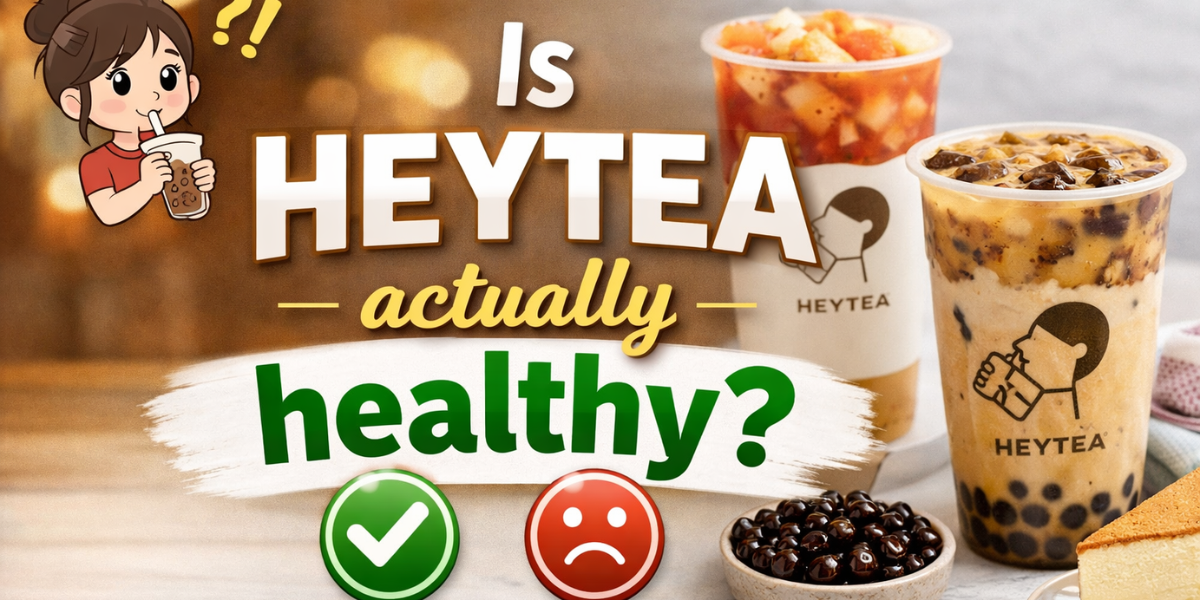
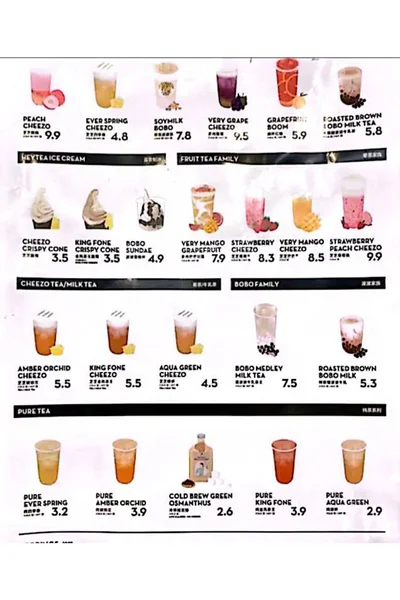
HEYTEA, the innovative tea brand from China, has quickly grown into a global sensation. Known for its inventive beverages like Cheese Tea, Brown Sugar Pearl Milk Tea, and fruit-based teas, HEYTEA has redefined the traditional tea experience. Its combination of fresh ingredients, creative toppings, and aesthetic presentation has captured the attention of tea enthusiasts worldwide.
Yet, one question remains for health-conscious consumers: Is HEYTEA actually healthy? To answer this, we need to evaluate HEYTEA’s menu, nutritional content, sugar levels, portion sizes, and customization options.
Understanding the HEYTEA Menu
HEYTEA offers a wide variety of drinks, including:
-
Cheese Tea – tea topped with a creamy, salted cheese foam.
-
Matcha Latte – made from high-quality powdered green tea.
-
Mulberry Strawberry Boom – a fruity, refreshing beverage.
-
Brown Sugar Pearl Milk Tea – a signature bubble tea featuring chewy pearls and caramelized brown sugar.
These drinks combine fresh fruits, dairy, tea extracts, and sweeteners to provide a rich sensory experience. On the surface, some ingredients appear healthy, such as antioxidants in green or oolong tea and vitamins in fresh fruits like strawberries and mulberries. Matcha, a powdered green tea, is celebrated for boosting metabolism and providing calm alertness through its combination of caffeine and L-theanine.
However, other ingredients—particularly sugar, cream, and toppings like pearls or cheese foam—can affect the overall health profile of HEYTEA drinks.
Sugar Content: The Greatest Health Concern
One of the most critical factors impacting the healthiness of HEYTEA drinks is sugar content. Many of the signature milk teas and fruit teas are sweetened to balance the natural bitterness of tea and the tartness of fruits.
For example, a single serving of Brown Sugar Pearl Milk Tea can contain 30 to 50 grams of sugar, depending on customization. To put this in perspective:
-
The American Heart Association recommends a daily added sugar intake of 25 grams for women and 36 grams for men.
-
One HEYTEA drink can meet or exceed this daily limit in just one serving.
Excess sugar consumption is linked to health risks such as weight gain, insulin resistance, type 2 diabetes, and cardiovascular problems. Regularly consuming sweet HEYTEA drinks may, therefore, be counterproductive for anyone trying to manage blood sugar levels or maintain a healthy weight.
Cheese Foam and Dairy: Nutritional Balance vs. Calories
HEYTEA is especially famous for its cheese tea, topped with a velvety layer of salted cream cheese foam. While this topping adds a unique and indulgent flavor, it also contributes extra calories and saturated fat.
On the positive side, cheese foam provides protein and calcium, which are beneficial for maintaining strong bones and muscles. However, overconsumption of high-fat toppings may lead to an increase in daily calorie intake, which could impact weight management if not balanced with physical activity.

Tea Base: Antioxidants and Energy
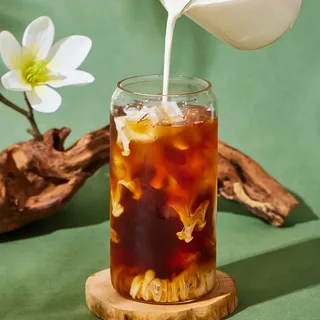
The tea base of HEYTEA drinks, whether green, black, oolong, or matcha, offers several health benefits. Tea contains polyphenols, antioxidants that help counteract free radicals and reduce oxidative stress in the body. Regular tea consumption has been linked to improved cardiovascular health, reduced inflammation, and enhanced cognitive function.
Matcha tea is particularly rich in antioxidants because it uses the entire tea leaf in powdered form. Drinking matcha-based beverages may boost metabolism, energy levels, and detoxification processes. This makes the tea base itself a healthy component of HEYTEA drinks.
Fruit Teas: Vitamins vs. Added Sugars
HEYTEA’s fruit teas are often marketed as healthier options. They typically contain fresh fruit pieces and natural fruit juices, offering nutrients like:
-
Vitamin C – supports immunity.
-
Potassium – aids heart health.
-
Dietary fiber – promotes healthy digestion.
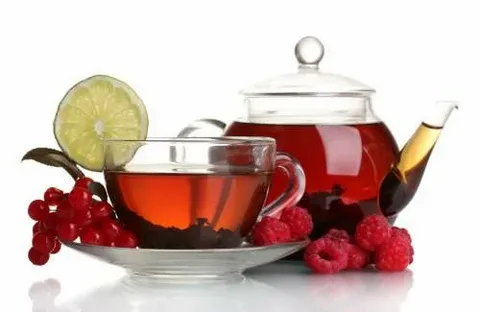
However, many fruit teas are heavily sweetened with sugar or syrups, which can turn a seemingly healthy drink into a dessert-like beverage. For instance, a mulberry or passion fruit tea might taste refreshing, but high sugar content diminishes its nutritional value.
Portion Sizes: Big Cups, Bigger Impact
Another factor that affects the healthiness of HEYTEA drinks is portion size. Many beverages are served in cups exceeding 500 ml, which increases sugar, calorie, and fat intake. Even when a drink contains healthy ingredients like tea or fruit, consuming a large portion can negate the health benefits and contribute to overconsumption of calories.
Customization: Making HEYTEA Healthier
One of the advantages of HEYTEA is the ability to customize drinks. Consumers can make choices such as:
-
Reducing sugar levels.
-
Choosing low-fat milk.
-
Skipping cheese foam.
-
Limiting toppings like pearls or jellies.
By making mindful selections, it’s possible to reduce calories and sugar intake while still enjoying the distinctive flavors HEYTEA offers.

HEYTEA vs. Other Beverages
Compared to other sugary drinks like sodas or commercial bubble teas, HEYTEA may have some advantages:
-
Uses quality tea instead of artificial flavors.
-
Incorporates fresh fruits and natural juices.
-
Offers innovative toppings that appeal to flavor enthusiasts.
However, HEYTEA drinks still fall into the category of indulgent beverages rather than daily health drinks. They are better considered treats or occasional indulgences rather than staple beverages.
Final Verdict: Is HEYTEA Healthy?
The answer depends on how health is defined:
Nutritional Perspective:
-
Tea bases and fruits provide antioxidants, vitamins, and minerals, which are beneficial for overall health.
Caloric and Sugar Perspective:
-
High sugar, calorie, and fat content in signature drinks can reduce healthiness, potentially leading to weight gain and other health risks if consumed frequently.
In essence, HEYTEA drinks should be enjoyed in moderation as part of a balanced diet. They are best classified as treat beverages rather than health drinks. The pleasure of taste, creativity in flavors, and experience of consuming HEYTEA are as important as considering the nutritional value. By choosing smaller portions, lower sugar, and selective toppings, health-conscious consumers can strike a balance between enjoyment and nutrition.
Tips for Enjoying HEYTEA Healthily
-
Customize sugar levels – ask for 50% sugar or less.
-
Limit high-calorie toppings – skip pearls or cheese foam occasionally.
-
Choose fruit teas with minimal added sugar – fresh fruit options are better.
-
Opt for smaller cup sizes – control portion and calorie intake.
-
Balance with diet and exercise – enjoy HEYTEA as part of an active lifestyle.
Conclusion
HEYTEA is not inherently unhealthy, but it is not a health drink either. The tea, fruits, and matcha provide beneficial nutrients, but sugar, toppings, and portion size can offset these advantages. Enjoying HEYTEA occasionally, with mindful customization, allows you to appreciate its flavors while maintaining a balanced diet. Ultimately, HEYTEA is about the experience, taste, and innovation in tea culture—not a substitute for a daily health regimen.