
Taro Root Boba Tea: A Nutty, Creamy, and Well-Traveled Classic
Taro root boba tea is one of the most loved and recognizable flavors in the bubble tea world. Known for its pale purple color, creamy consistency, and gently sweet, nutty taste, taro milk tea has secured a permanent place on boba menus across Asia, the Middle East, Europe, and North America. For many people, taro root boba tea is more than just a drink—it is a comforting experience that blends tradition, nostalgia, and modern tea culture into a single cup.
Unlike fruit-based bubble teas that feel light and refreshing, taro boba tea has a rich, dessert-like character. Its smooth texture and balanced sweetness make it especially popular among first-time bubble tea drinkers, while long-time fans appreciate its familiar and indulgent flavor profile. This unique balance has helped taro milk tea remain a classic despite ever-changing bubble tea trends.
What Is Taro Root?
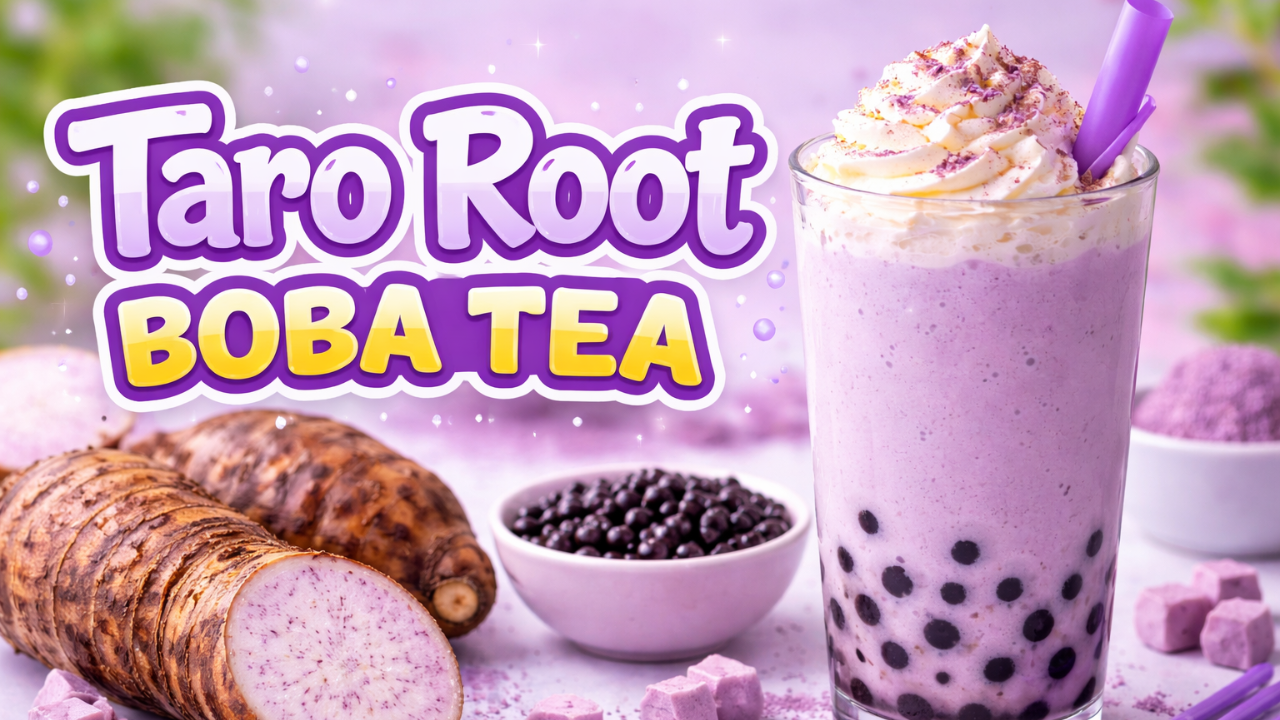
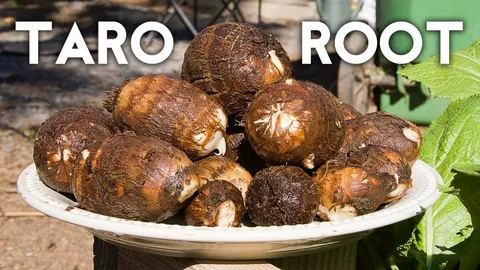
Taro root is a starchy root vegetable that has been consumed for thousands of years in Asian, African, and Pacific Island cultures. It has a rough brown exterior and a creamy white interior marked with faint purple specks. When cooked, taro develops a mild sweetness and a nutty flavor often compared to vanilla, chestnut, or sweet potato.
Traditionally, taro root is boiled, steamed, or mashed and used in both savory dishes and desserts. Its naturally creamy texture makes it especially suitable for sweet recipes, which is why it transitioned so smoothly into modern bubble tea creations. In boba tea, taro is commonly used in the form of fresh taro paste, taro powder, or flavored taro mixes, each offering a slightly different taste and texture.
see more : Is Black Coffee Good For High Blood Pressure?
What Is Taro Root Boba Tea?
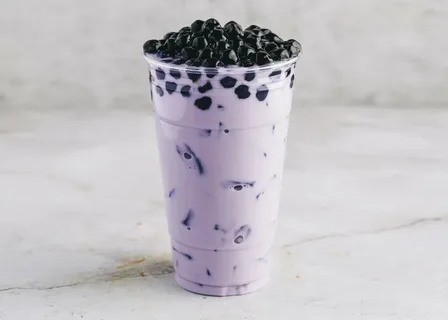
Taro root boba tea, also called taro milk tea, is made by blending taro with milk or non-dairy creamer, tea or water, sweetener, ice, and chewy tapioca pearls. The drink is instantly recognizable due to its soft lavender or pastel purple color and its velvety, thick mouthfeel.
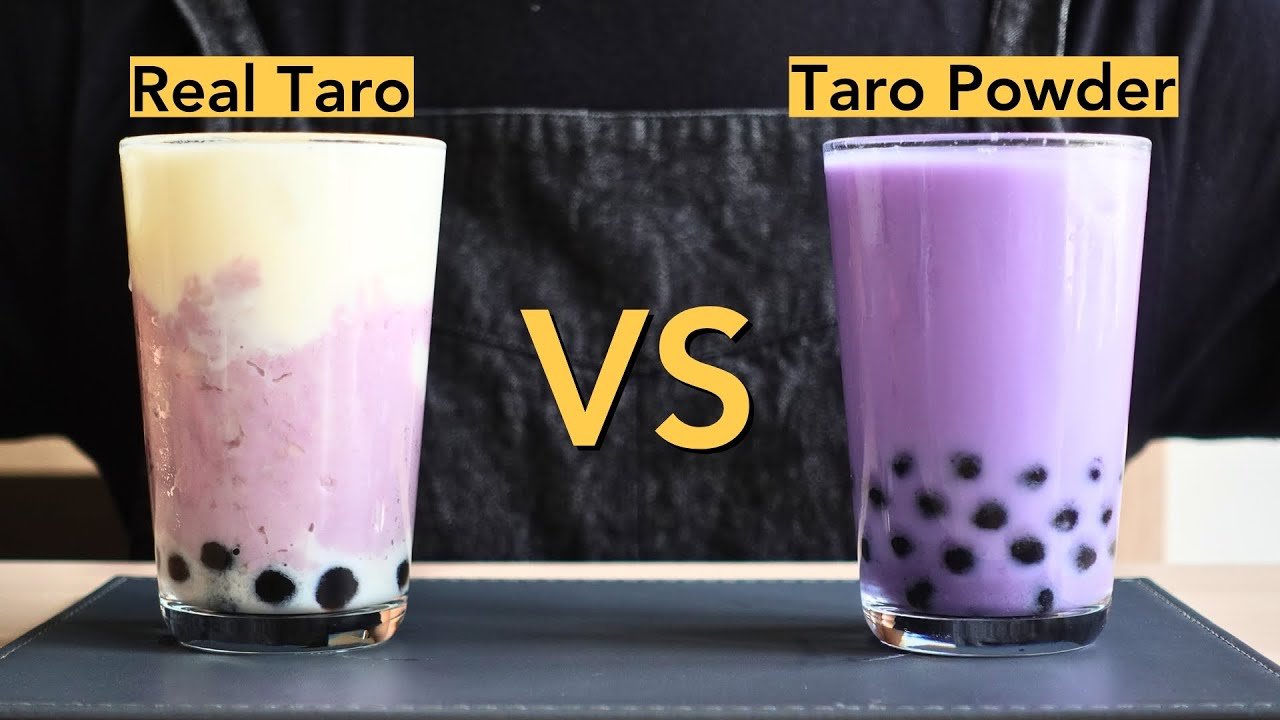
There are two main styles of taro boba tea. One uses real taro root, resulting in a more earthy, subtle, and authentic flavor. The other relies on taro powder, which is sweeter and more vanilla-forward. Both versions are popular, and the choice often depends on availability, preparation time, and personal preference.
Tasting Notes of Taro Boba Tea
The flavor of taro root boba tea is gentle and soothing rather than bold or overpowering. It offers natural sweetness with soft nutty and creamy undertones. Many people notice hints of vanilla, coconut, or almond, even though these flavors are not actually added.
Taro blends seamlessly with milk, allowing the drink to feel rich without being heavy. The chewy tapioca pearls add contrast to the smooth base, creating a satisfying texture that keeps each sip interesting. Unlike strong tea flavors or sharp fruit notes, taro milk tea feels warm and comforting, making it an ideal dessert-style beverage.
Why Is Taro Boba Tea Purple?
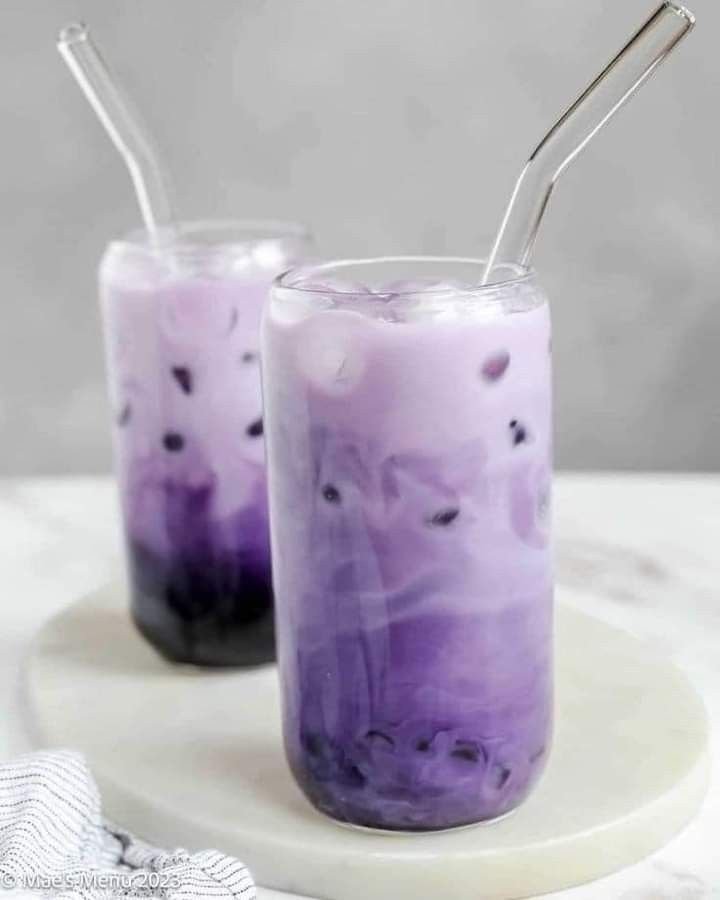
One of the most eye-catching features of taro boba tea is its purple color. When made with real taro root, the drink usually appears light lavender with tiny specks from the natural root. When taro powder is used, the color becomes more vibrant and evenly purple.
Although raw taro root is actually brown on the outside, commercial taro blends often enhance the purple shade to make the drink visually appealing. This distinctive color has played a major role in the popularity of taro milk tea, especially on social media platforms where aesthetic drinks attract attention and engagement.
Taro Powder vs. Taro Root in Boba Tea
There is ongoing debate among bubble tea lovers about whether taro root or taro powder makes the better drink. Both options have their own advantages. Real taro root offers a more natural, earthy flavor and a less sugary taste that closely resembles traditional taro desserts. However, it requires more preparation, including cooking and blending.
Taro powder, on the other hand, is convenient and consistent. It dissolves easily, delivers a strong taro flavor, and gives the drink its signature purple color. While it may lack the freshness of real taro, its smooth, sweet profile makes it a favorite in many bubble tea shops worldwide.
Taro root boba tea continues to thrive because it delivers comfort, flavor, and visual appeal in every cup, making it a timeless favorite in the global bubble tea scene.
Tapioca Pearls and Taro Milk Tea
Tapioca pearls are an essential part of taro root boba tea and play a major role in its popularity. These glossy black pearls are made from tapioca starch and cooked until they become soft, chewy, and slightly elastic. When paired with taro milk tea, tapioca pearls transform the drink into a more filling and satisfying experience rather than just a flavored beverage.
Tapioca pearls are intentionally kept neutral in flavor so the creamy and nutty taste of taro can remain the star. Their chewy texture slows down the drinking process, allowing people to enjoy the tea sip by sip. While variations such as mini pearls, crystal boba, or coconut jelly are available in some bubble tea shops, traditional black boba remains the most popular choice for taro milk tea due to its classic texture and contrast.
Is Taro Boba Tea Healthy?
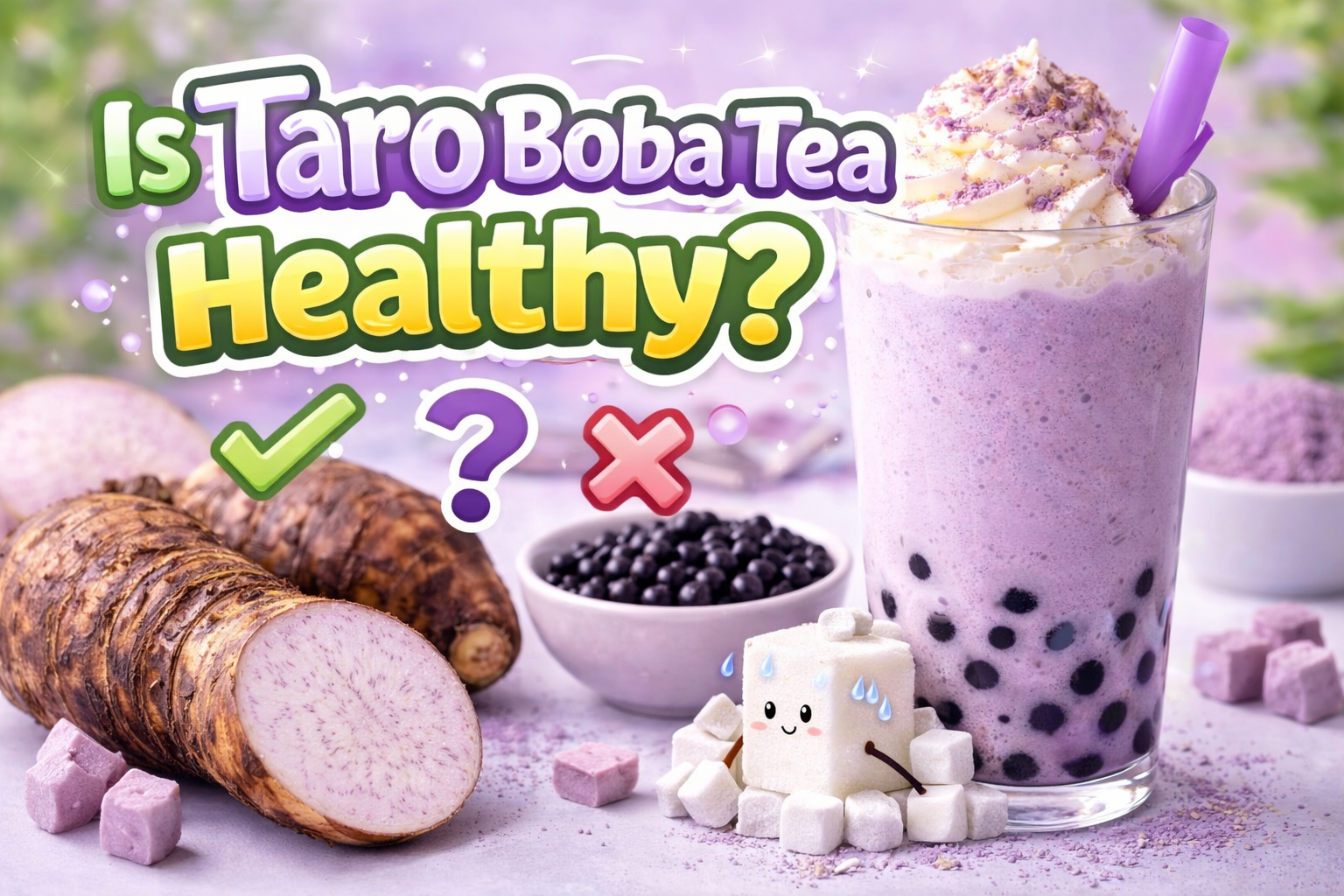
Taro root itself contains fiber, potassium, and several essential vitamins, making it a nutritious ingredient when consumed in its natural form. However, taro root boba tea is a sweetened drink and should be enjoyed in moderation. The added milk, sugar, and tapioca pearls increase the calorie and carbohydrate content, especially in larger serving sizes.
Taro milk tea made with taro powder often contains additional sweeteners and flavoring agents, which can further increase sugar levels. That said, many bubble tea shops now offer customization options. Customers can request reduced sugar levels, alternative milk choices such as almond or oat milk, or smaller pearl portions to make the drink lighter.
It is also possible to prepare taro milk tea at home using less sweetener and plant-based milk while still maintaining its creamy and comforting flavor. With thoughtful adjustments, taro boba tea can be enjoyed as an occasional treat without excessive indulgence.
Popular Variations of Taro Boba Tea
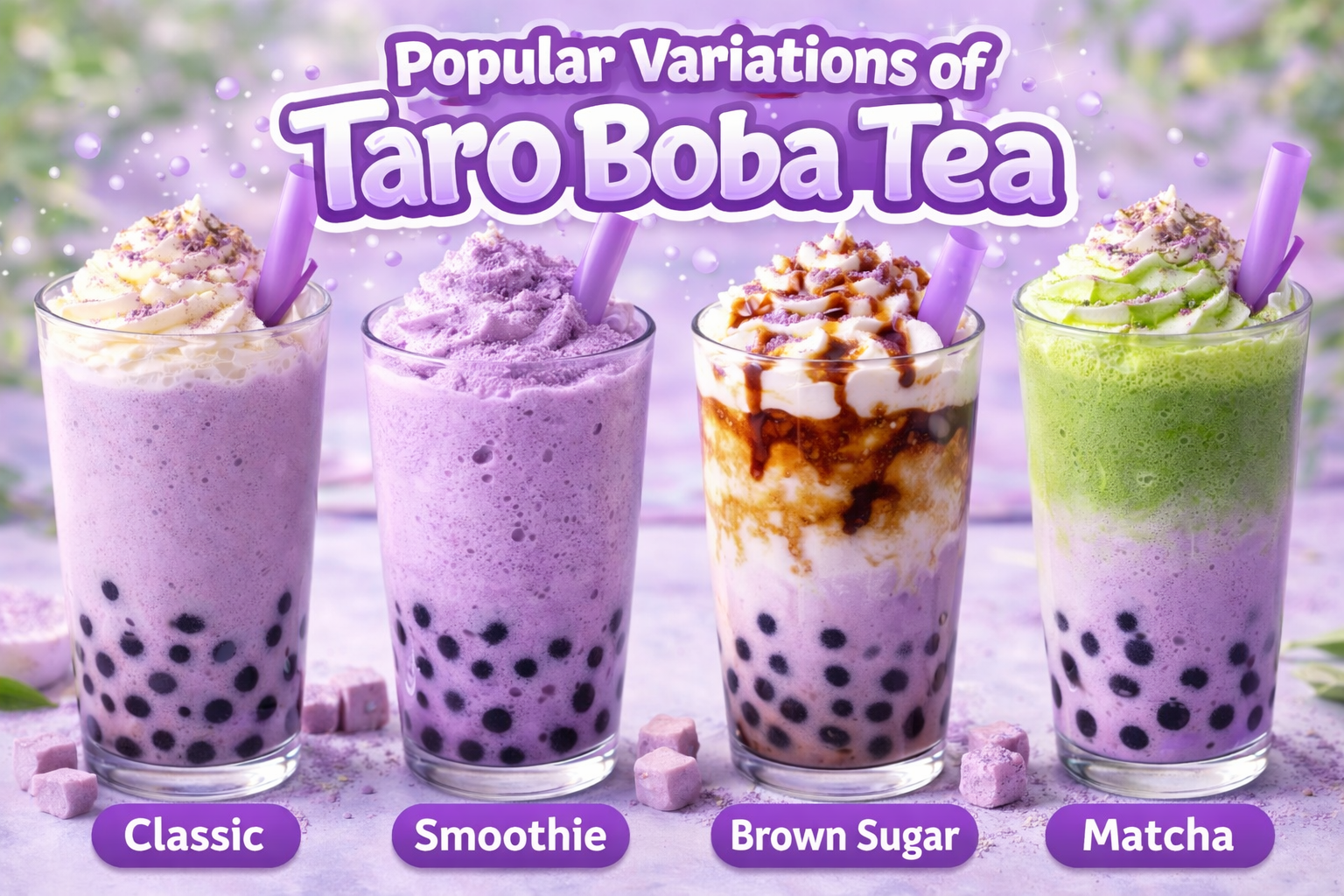
Taro root boba tea has inspired many creative variations over time. One of the most popular options is the taro smoothie, which is blended with ice to create a thick, milkshake-like consistency. This version is especially refreshing in warmer climates and offers a richer texture.
Some tea drinkers prefer taro tea without milk, allowing the earthy and natural notes of taro to stand out more clearly. Another well-loved option is taro coconut boba tea, which combines the nutty flavor of taro with the tropical sweetness of coconut. Cheese foam taro tea has also gained attention, featuring a lightly salted creamy foam on top that balances the sweetness of the drink.
Hot taro milk tea is available in some bubble tea shops during colder seasons. Served warm, it highlights the comforting and dessert-like qualities of taro, making it a cozy alternative to iced versions.
Why Taro Boba Tea Is So Popular
The success of taro root boba tea comes from its perfect blend of flavor, texture, and emotional connection. For many people, the taste of taro brings back memories of traditional desserts, family recipes, and childhood treats. Bubble tea has transformed this familiar flavor into a modern, portable beverage enjoyed across cultures.
Taro milk tea is also easy to enjoy for people who dislike bitter tea or overly sour fruit flavors. Its smooth, creamy profile appeals to a wide audience, while its soft purple color adds strong visual appeal. These qualities have helped taro boba tea remain a favorite worldwide.
Taro Boba Tea in Modern Tea Culture
Taro root boba tea continues to hold a strong place in modern tea culture despite the constant introduction of new flavors. It bridges the gap between tradition and innovation, offering a classic taste in a contemporary format. Many tea shops now emphasize the use of real taro root to attract customers who value authenticity and quality.
At the same time, taro powder-based drinks remain popular for their sweetness, consistency, and vibrant color. This balance ensures that taro milk tea appeals to both traditionalists and modern bubble tea fans.
Final Thoughts on Taro Root Boba Tea
Taro root boba tea is not a passing trend. It is a comforting, flavorful drink rooted in centuries-old culinary traditions and adapted to modern tastes. With its creamy texture, gentle sweetness, and iconic purple hue, taro boba tea continues to delight tea lovers around the world.
Whether enjoyed iced, blended, or warm, made from fresh taro or taro powder, and topped with classic tapioca pearls, taro milk tea remains a timeless favorite that proves simple, soothing flavors often last the longest.