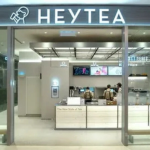
What Does HEYTEA Mean? A Complete Guide to the Brand Name and Its Global Success
When you walk past a modern tea store with long lines, minimalist interiors, and stylish branding, chances are you’ve seen the name HEYTEA. But what does HEYTEA mean? Is it simply a catchy brand name, or is there a deeper story behind it?
In this comprehensive guide, we’ll explore the meaning of HEYTEA, its origin, the philosophy behind the brand, and how its name plays a powerful role in its global success. If you’ve ever wondered about the real meaning behind HEYTEA, this article will explain everything in detail.
The Origin of HEYTEA
HEYTEA is a premium Chinese tea brand founded in 2012 in Jiangmen, Guangdong, China. The founder, Nie Yunchen, wanted to modernize traditional tea culture and make it appealing to younger generations.
Originally, the company operated under the name ROYALTEA. However, due to trademark issues, the brand was forced to change its name. This unexpected challenge led to the birth of a new identity — HEYTEA.
The rebranding turned out to be a major turning point. Instead of sounding formal and traditional, the new name felt modern, approachable, and energetic. This fresh identity helped the company position itself as a lifestyle brand rather than just another tea shop.

What Is the Literal Meaning of HEYTEA?
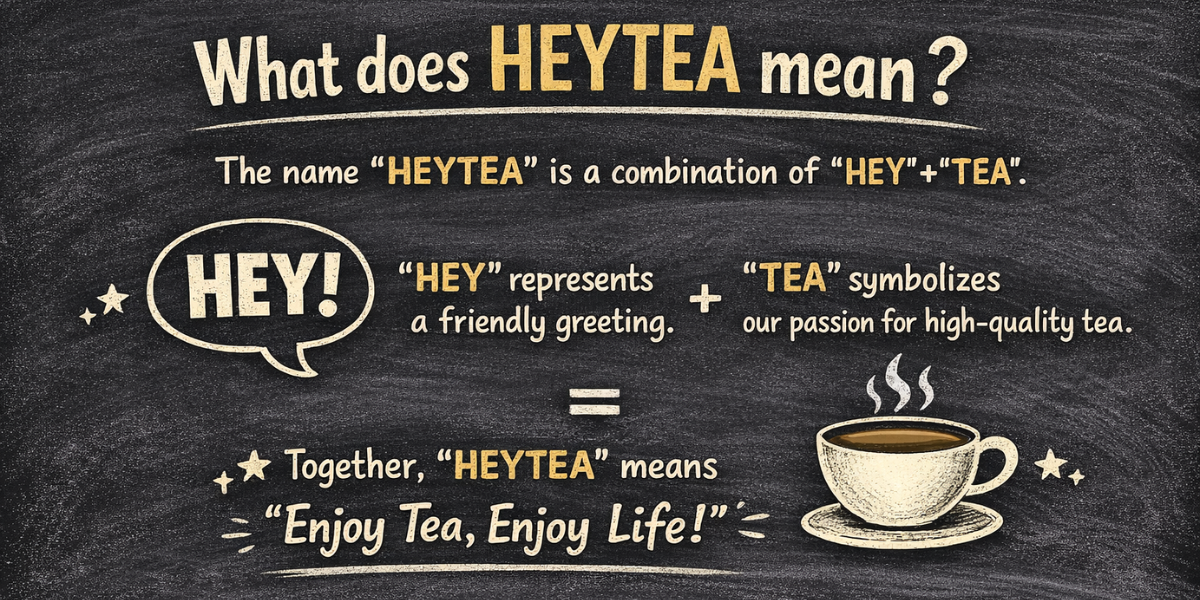
At first glance, HEYTEA looks like a simple combination of two English words:
-
“Hey” – a casual and friendly greeting
-
“Tea” – the drink the brand specializes in
Put together, HEYTEA can be interpreted as:
“Hey, Tea!”
It sounds like a cheerful invitation — a friendly call to tea lovers everywhere.
Unlike traditional tea brands that emphasize heritage and ceremony, HEYTEA uses a relaxed and youthful tone. The word “Hey” makes the brand feel:
-
Approachable
-
Youthful
-
Friendly
-
Modern
-
Social
This simple yet powerful naming strategy makes HEYTEA instantly memorable.

The Chinese Meaning of HEYTEA (喜茶)
Although HEYTEA is written in English for global recognition, its Chinese name carries deeper meaning.
In Chinese, HEYTEA is written as:
喜茶 (Xǐ Chá)
-
喜 (Xǐ) means happiness or joy
-
茶 (Chá) means tea
So the literal meaning is:
“Joyful Tea” or “Happy Tea.”
This adds emotional depth to the brand. HEYTEA is not just selling beverages — it is selling happiness in a cup.
The idea of joy aligns perfectly with the brand’s colorful drinks, stylish stores, and strong social media presence. Every visit is meant to feel like a small celebration.
Why the Name HEYTEA Is So Powerful for Branding
The success of HEYTEA is closely connected to its name. Here’s why the branding works so well.
1. Easy to Remember
HEYTEA is short, simple, and catchy. It has only two syllables, making it easy to pronounce in different languages. This helps the brand expand globally without confusion.
2. International Appeal
Even though HEYTEA is a Chinese company, the English-style name makes it adaptable in international markets like Singapore, Malaysia, the United Kingdom, and the United States.
Customers who don’t speak Chinese can still read and say “HEYTEA” comfortably.
3. Youthful and Modern Tone
The word “Hey” feels like a greeting between friends. This casual tone connects strongly with Gen Z and millennial consumers — the primary target audience of HEYTEA.
Instead of feeling formal or ceremonial, the brand feels social and trendy.
HEYTEA and Modern Tea Culture
HEYTEA is widely known for pioneering cheese tea, a drink made with freshly brewed tea topped with a creamy cheese foam layer.
This innovation transformed traditional tea into something Instagram-worthy and fashionable. Tea was no longer just a classic beverage for older generations — it became a lifestyle trend.
The name HEYTEA perfectly supports this transformation. It sounds modern, energetic, and creative — exactly what the new tea culture represents.
By redefining how tea is consumed and presented, HEYTEA helped create a new premium tea market segment.
The Brand Philosophy Behind HEYTEA
Understanding what HEYTEA means also requires understanding its philosophy. The brand stands on three main pillars:
Innovation
HEYTEA focuses on original recipes instead of copying trends. It emphasizes high-quality tea leaves, fresh fruit, and premium ingredients.
The brand constantly experiments with limited-edition flavors and seasonal drinks to maintain excitement.
Experience
HEYTEA stores are known for their minimalist, artistic, and modern interiors. Walking into a HEYTEA shop feels like entering a lifestyle space rather than a simple beverage store.
The store design reinforces the brand meaning — joyful, creative, and modern.
Youth Culture
The informal and friendly name aligns perfectly with young consumers who prefer relaxed and expressive brands.
HEYTEA communicates through design, social media, and collaborations — not just products.
Global Expansion and Cultural Adaptability
Since its launch in 2012, HEYTEA has expanded rapidly across China and internationally. It has opened stores in major global cities including Singapore, London, and New York.
The name HEYTEA plays a crucial role in this international growth. Because it is written in English, it crosses language barriers easily.
At the same time, the Chinese meaning “Joyful Tea” maintains cultural authenticity. This dual identity — global and local — strengthens the brand worldwide.
The Psychological Meaning Behind HEYTEA
Beyond literal translation, HEYTEA represents deeper emotional values:
-
Happiness
-
Freshness
-
Creativity
-
Social connection
-
Celebration
In many Asian cultures, tea symbolizes gathering, bonding, and relaxation. By incorporating the character 喜 (joy), the brand adds emotional warmth to its identity.
Customers are not just buying tea — they are buying a joyful experience.
This emotional positioning helps HEYTEA stand out in a competitive beverage market.
HEYTEA vs Traditional Tea Brands
Traditional tea brands often focus on:
-
Heritage
-
Ceremony
-
History
-
Classic packaging
HEYTEA, on the other hand, emphasizes:
-
Modern aesthetics
-
Social media appeal
-
Trend-driven flavors
-
Limited-edition collaborations
-
Minimalist branding
The name HEYTEA reflects this difference. It is bold, fresh, and contemporary rather than traditional and formal.
This distinction has helped the brand capture a younger demographic and reshape tea culture.
Why HEYTEA Became So Popular
HEYTEA’s popularity is not accidental. Several key factors contributed to its rise:
-
Unique cheese tea innovation
-
High-quality ingredients
-
Strong branding and visual identity
-
Social media marketing
-
Premium store experience
-
Youth-focused messaging
But at the center of it all is the brand name.
The name HEYTEA communicates friendliness and joy instantly. It speaks the language of modern consumers.
HEYTEA as a Lifestyle Brand
Today, HEYTEA is more than just a tea shop. It collaborates with fashion brands, designers, and artists. It launches seasonal collections and limited-edition merchandise.
The name HEYTEA works perfectly for:
-
Merchandise
-
Mobile app icons
-
Social media hashtags
-
Storefront branding
-
Global advertising campaigns
It is energetic, adaptable, and visually appealing.
Because the name is simple and memorable, it fits easily into modern marketing strategies.
Conclusion: What Does HEYTEA Mean?
So, what does HEYTEA mean?
On the surface, it combines “Hey” and “Tea” — creating a friendly and welcoming brand tone. In Chinese, 喜茶 translates to “Joyful Tea,” adding emotional depth rooted in happiness and celebration.
The brilliance of the name lies in its simplicity. It is:
-
Easy to pronounce
-
Memorable
-
Youthful
-
Globally adaptable
-
Emotionally positive
HEYTEA represents the modernization of traditional tea culture. It proves that a strong brand name can be culturally meaningful, marketable, and globally appealing at the same time.
Whether you interpret it as “Hey, Tea!” or “Joyful Tea,” one thing is clear:
HEYTEA is about enjoying tea in a fresh, modern, and happy way.