
What Does Oolong Tea Taste Like?
Oolong tea is widely known for having one of the most complex and fascinating flavor profiles in the tea world. Sitting perfectly between green tea and black tea in terms of oxidation, oolong tea occupies a unique middle ground that gives it remarkable depth and variety. If you’ve ever wondered what oolong tea tastes like, the honest answer is that it depends—and that unpredictability is exactly what makes it so appealing.
Unlike teas that stay within a narrow taste range, oolong tea can be light and floral, creamy and sweet, roasted and nutty, or deep and woody. Its taste is influenced by where the tea is grown, how the leaves are processed, and how it is brewed. Each sip often reveals multiple layers of flavor, making oolong tea a favorite among tea lovers who appreciate richness and complexity.
The Perfect Balance Between Green and Black Tea
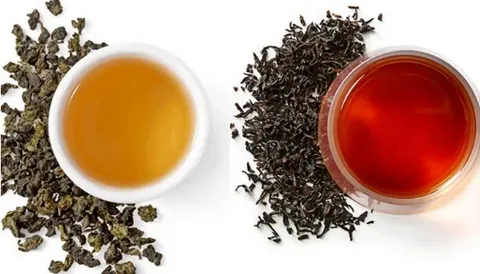
The taste of oolong tea is often described as the ideal balance between green tea and black tea. Green tea is usually fresh, grassy, and slightly vegetal, while black tea is bold, malty, and full-bodied. Oolong tea blends the best of both worlds, offering smoothness without bitterness and depth without heaviness.
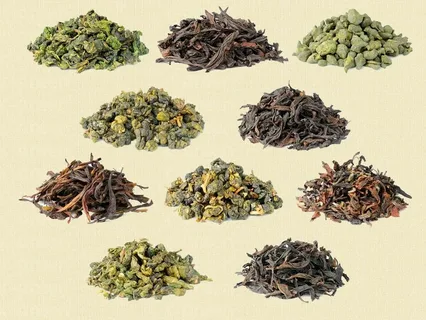
Lightly oxidized oolong teas lean closer to green tea in flavor. They tend to be soft, refreshing, and slightly sweet, with floral undertones that feel delicate on the palate. On the other hand, heavily oxidized oolongs resemble black tea more closely, delivering warm, roasted flavors with hints of caramel, honey, or dried fruit. This wide spectrum explains why two oolong teas can taste completely different while still belonging to the same category.
see more : How Much Caffeine In Coffee
Floral and Aromatic Characteristics
One of the most admired qualities of oolong tea is its floral aroma. Many varieties release gentle scents of orchid, jasmine, osmanthus, or lilac. These floral notes are never overpowering or artificial; instead, they are subtle, clean, and naturally soothing. Lightly oxidized oolongs are especially known for these fragrant qualities.
As you sip the tea, the floral notes unfold gracefully, followed by a lingering sweetness on the palate. The aroma plays just as important a role as the taste itself, and the scent rising from a freshly brewed cup of oolong tea is often described as calming and refined.
Creamy and Smooth Mouthfeel
Beyond flavor, the mouthfeel of oolong tea sets it apart from other teas. Many oolong teas have a creamy, velvety texture that coats the tongue without leaving a dry or bitter sensation. This makes oolong tea especially appealing to those who find green tea too sharp or black tea too strong.
Some varieties, particularly high-quality Taiwanese oolongs, have a naturally buttery or milky character. This creaminess does not come from additives but from the natural compounds in the tea leaves. The result is a full-bodied yet smooth tea that feels rich without being heavy.
Natural Sweetness Without Sugar
Oolong tea has a gentle, natural sweetness that requires no sugar or flavoring. Depending on the variety, this sweetness may resemble honey, ripe fruit, or sugarcane. It is subtle and clean, becoming even more noticeable as the tea cools slightly.
Unlike sugary beverages, oolong tea’s sweetness never feels sticky or artificial. Instead, it balances the tea’s other flavor notes and leaves behind a pleasant aftertaste. This is why many people enjoy drinking oolong tea plain, as its natural sweetness is satisfying on its own.
Roasted and Nutty Flavor Notes
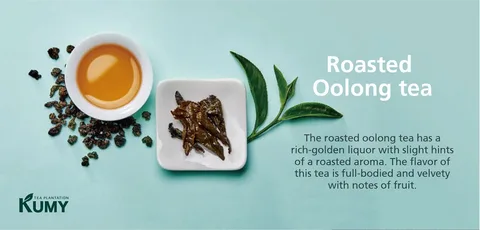
Darker and roasted oolong teas bring out deeper, warmer flavors. These varieties often carry nutty, toasty, or mildly smoky notes. You may detect hints of roasted almonds, walnuts, cocoa, or even warm bread crust.
These roasted oolongs are comforting and warming, making them especially enjoyable during cooler weather. Despite their richer flavor, they remain smooth and well-balanced. The roasting process enhances depth without introducing bitterness, adding a cozy character to the tea.
Honeyed and Fruity Undertones
Some oolong teas develop delicate fruity undertones that unfold gradually with each sip. Common fruit notes include peach, apricot, pear, or dried plum. In many cases, these fruity flavors blend beautifully with honey-like sweetness, creating a layered and complex taste experience.
These nuances are most noticeable in medium-oxidized oolongs. Rather than tasting like fruit juice, the flavor is more like the aroma of ripe fruit—soft, natural, and refined. This evolving character is what makes oolong tea endlessly interesting, even after multiple infusions.
Earthy and Mineral Notes in Oolong Tea
Some oolong teas, particularly those grown in high-altitude mountain regions, develop distinctive earthy and mineral notes. These flavors are often described as resembling wet stone, fresh soil, or the clean scent of earth after rainfall. This mineral quality adds depth and character to the tea, making it feel grounded and complex rather than simple or flat.
Unlike heavy or muddy flavors, the earthy notes found in oolong tea are refined and balanced. They usually sit quietly in the background, supporting floral, sweet, or roasted elements instead of overpowering them. This subtle mineral presence is one of the reasons mountain-grown oolong teas are so highly valued by tea enthusiasts.
How Brewing Affects the Taste of Oolong Tea
The taste of oolong tea can change dramatically depending on how it is brewed. Factors such as water temperature, steeping time, and the amount of tea leaves used all influence the final flavor. Shorter steeping times tend to highlight floral, creamy, and sweet notes, while longer steeping allows deeper roasted and mineral flavors to emerge.
One of the unique characteristics of oolong tea is its ability to be re-steeped multiple times. High-quality oolong leaves gradually release flavor, meaning each infusion offers a slightly different tasting experience. The first cup may feel light and delicate, while later infusions become richer, smoother, and more rounded, adding to the tea’s layered complexity.

Is Oolong Tea Bitter?
When brewed correctly, oolong tea is rarely bitter. It is smoother than green tea and less harsh than black tea, making it an excellent choice for those sensitive to bitterness. Any bitterness usually occurs due to over-steeping or using water that is too hot for a particular type of oolong.
Most oolong teas are forgiving, even for beginners. Their balanced flavor profile makes them easy to enjoy while still offering enough depth for experienced tea drinkers. This gentle nature allows oolong tea to appeal to a wide range of palates without overwhelming them.
Oolong Tea Compared to Other Teas
Compared to green tea, oolong tea feels more refined and luxurious, with less grassiness and sharper vegetal notes. In contrast to black tea, oolong is lighter, more aromatic, and lower in strong tannins that can cause dryness. While herbal teas can be bold, they often lack the depth and body that oolong tea naturally provides.
Oolong tea stands out because it delivers complexity without becoming overwhelming. Its flavor is both invigorating and calming, making it suitable for consumption throughout the day. This balance is what places oolong tea in a category of its own.
Who Will Enjoy the Flavor of Oolong Tea?
Oolong tea appeals to a wide variety of tea drinkers. Those who enjoy lighter flavors will appreciate its floral, creamy, and gently sweet notes, while fans of stronger teas may prefer darker, roasted oolong varieties. It is an excellent option for anyone looking to explore beyond basic green or black tea.
Because of its natural sweetness and smooth mouthfeel, oolong tea is also ideal for people trying to reduce sugar or milk in their beverages. It offers satisfaction and depth without requiring added ingredients, making it both enjoyable and mindful.
Final Thoughts on the Taste of Oolong Tea
So, what does oolong tea taste like? It is layered, balanced, and constantly evolving. A single cup can offer floral aromas, creamy texture, natural sweetness, roasted warmth, and mineral depth all at once. No two oolong teas taste exactly the same, and that variety is what makes this tea so captivating.
Oolong tea invites you to slow down and appreciate each sip. Whether you are new to tea or a seasoned enthusiast, the elegant and comforting experience of oolong tea makes every cup worth savoring.