
Cream Cheese Frosting with White Chocolate: A Rich, Creamy Dessert Essential
White chocolate cream cheese frosting is a rich, smooth, and luxurious topping that elevates any dessert it touches. By blending the subtle sweetness of white chocolate with the tangy creaminess of cream cheese, this frosting delivers a perfectly balanced flavor that is indulgent without being overpowering. Whether you are decorating cakes, cupcakes, cookies, brownies, or layered pastries, this frosting brings a bakery-quality finish to homemade desserts.
What makes white chocolate cream cheese frosting so popular is its versatility and refined taste. Unlike traditional buttercream, which can often be overly sweet, this frosting offers a more sophisticated flavor profile. The slight tang from cream cheese balances the creamy sweetness of white chocolate, making it a favorite among professional bakers and home baking enthusiasts alike.
What Makes White Chocolate Cream Cheese Frosting Special
White chocolate cream cheese frosting stands out because of the harmony between its key ingredients. White chocolate contributes a smooth, cocoa-butter richness, while cream cheese introduces a subtle tang that keeps the frosting from becoming cloying. When combined correctly, the result is a frosting that is fluffy, smooth, and stable enough to hold its shape.
Another reason this frosting is so special is its adaptability. It can be adjusted to suit different desserts and decorating needs. You can make it thicker for piping decorative swirls and borders or slightly softer for spreading between cake layers. Its neutral yet luxurious flavor allows it to pair beautifully with a wide variety of cake bases, from classic vanilla and chocolate to carrot, red velvet, lemon, pumpkin, and banana.
see more : How To Make Tiger Milk Bubble Tea
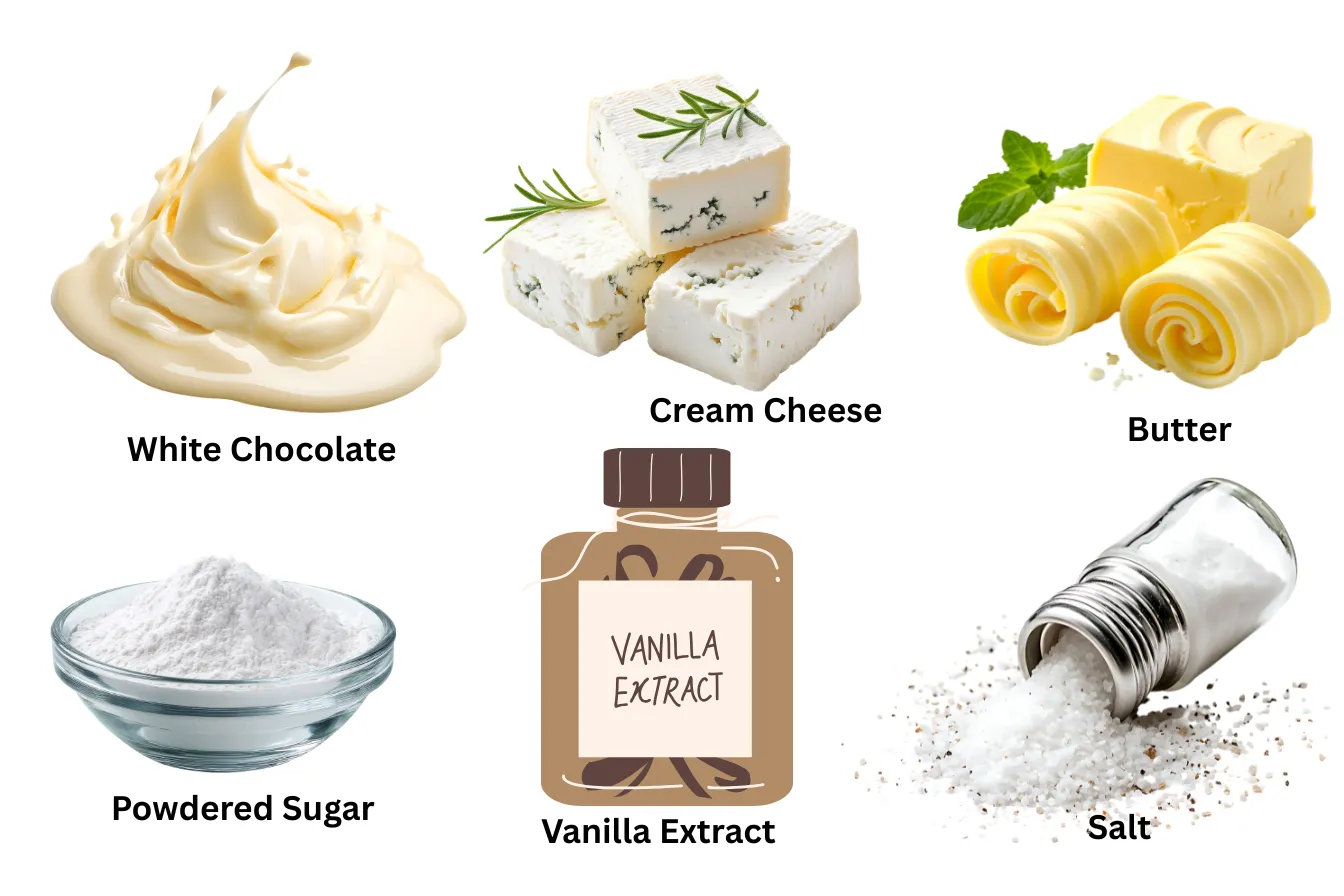
Ingredients Used in White Chocolate Cream Cheese Frosting
While recipes may vary slightly, white chocolate cream cheese frosting relies on a few core ingredients. Because the flavor is delicate, ingredient quality plays a crucial role in achieving the best results.
White Chocolate
The star ingredient is white chocolate made with real cocoa butter. High-quality white chocolate melts smoothly and provides a clean, creamy sweetness. Avoid imitation white chocolate or baking chips made with vegetable fats, as they can affect both texture and flavor.
Cream Cheese
Full-fat cream cheese is essential for structure and taste. Low-fat versions contain more moisture and can lead to a runny frosting. For best results, cream cheese should be softened to room temperature before mixing to ensure a lump-free texture.
Butter
Unsalted butter adds richness and helps create a light, fluffy consistency. Using unsalted butter allows better control over flavor balance and sweetness.
Powdered Sugar
Powdered sugar sweetens and stabilizes the frosting while maintaining a smooth, silky texture. It dissolves easily, preventing graininess.
Vanilla Extract
A small amount of vanilla extract enhances the flavor of white chocolate and adds warmth and depth to the frosting.
Salt
Even a tiny pinch of salt makes a noticeable difference. It balances sweetness and brings all the flavors together.
How to Prepare White Chocolate Cream Cheese Frosting
Making white chocolate cream cheese frosting is simple, but attention to detail is key. Proper technique ensures a smooth texture and consistent flavor.
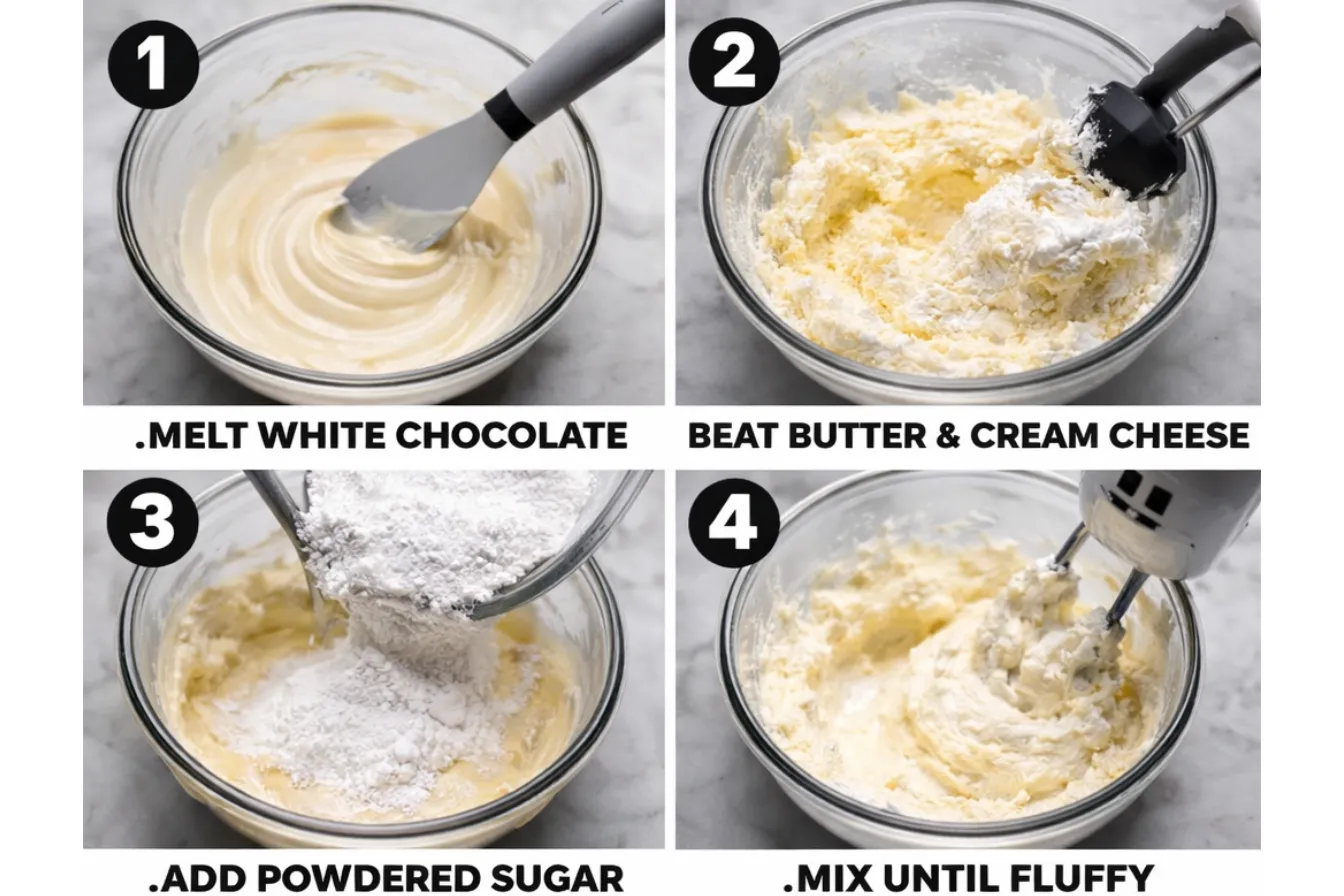
Start by melting the white chocolate gently. Use a double boiler or microwave it in short intervals, stirring frequently. White chocolate is sensitive to heat and can seize or become grainy if overheated. Once melted, set it aside to cool slightly before adding it to the frosting.
In a separate bowl, beat the softened cream cheese and butter together until smooth and creamy. This step is crucial to eliminate lumps and create a stable base. Gradually add powdered sugar while mixing on low speed to avoid clumping and ensure an even texture.
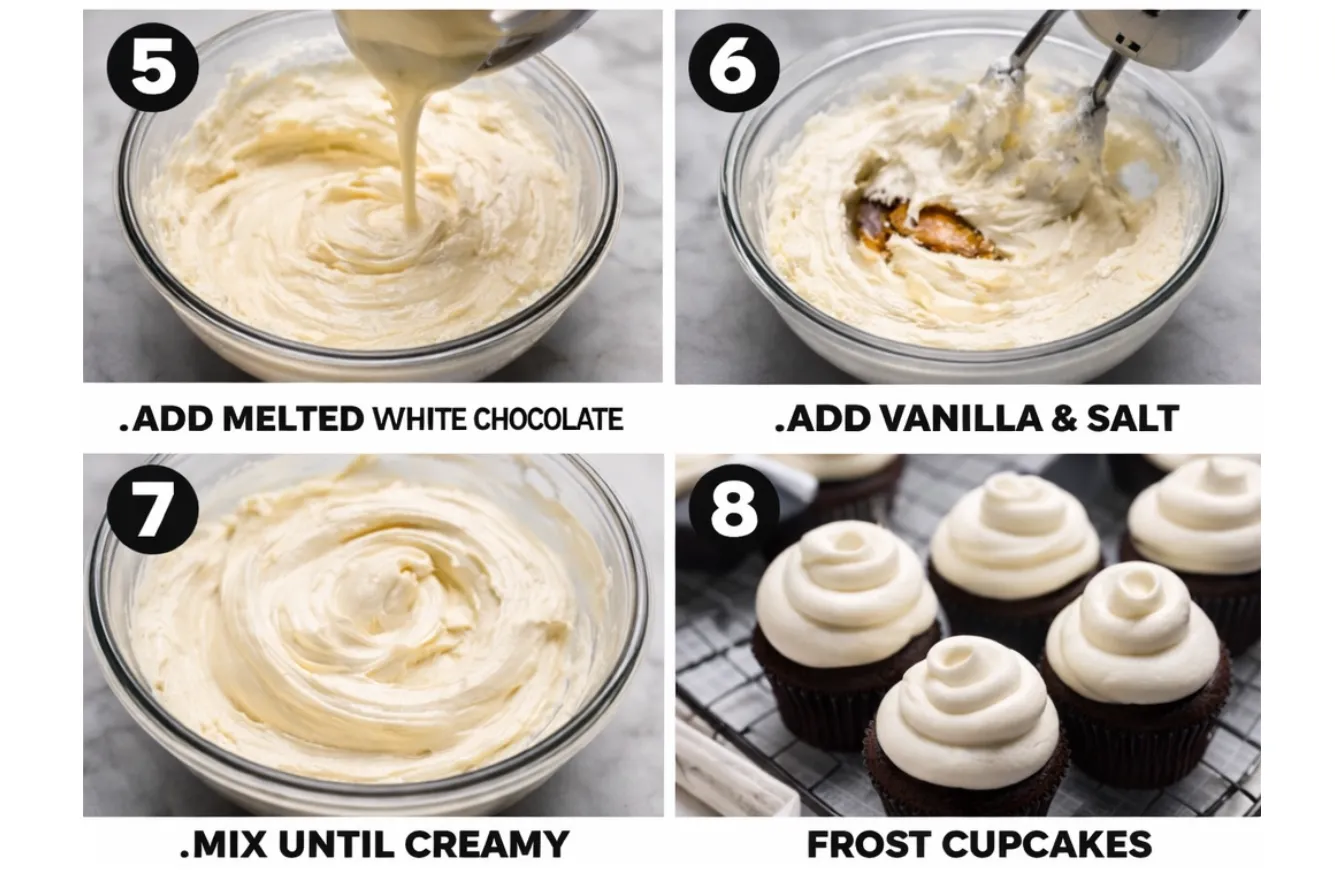
Slowly pour in the cooled melted white chocolate, mixing gently until fully incorporated. Finish by adding vanilla extract and a pinch of salt. The final frosting should be creamy, smooth, and rich with a luxurious mouthfeel.
Flavor Profile and Texture
White chocolate cream cheese frosting is known for its balanced flavor. It is creamy and mildly sweet with a subtle tang that keeps it from tasting heavy. The white chocolate provides richness without overpowering the dessert, while the cream cheese adds depth and freshness.
In terms of texture, the frosting is thick yet smooth. It spreads easily and pipes well when properly prepared. Chilling the frosting slightly before use helps it hold decorative shapes, making it ideal for professional-looking finishes.
Best Desserts to Pair with White Chocolate Cream Cheese Frosting
One of the greatest strengths of white chocolate cream cheese frosting is its versatility. It pairs exceptionally well with a wide range of desserts.
Carrot cake is a classic pairing, as the tangy frosting complements warm spices like cinnamon, nutmeg, and ginger. Red velvet cake is another popular match, where the light cocoa flavor of the cake balances beautifully with the creamy frosting.
Vanilla and chocolate cupcakes benefit from this frosting as a more refined alternative to buttercream. Lemon cakes and cupcakes gain a rich contrast from the creamy sweetness, while banana bread and pumpkin cake are elevated with a decadent finishing touch.
Beyond cakes, this frosting works wonderfully as a topping for sugar cookies or as a filling for sandwich cookies. It can also be used in layered desserts, macarons, and pastry fillings, adding depth and smoothness to every bite.
Tips for Perfect White Chocolate Cream Cheese Frosting
Using ingredients at room temperature is essential for achieving a smooth, lump-free frosting. Cold butter or cream cheese can lead to uneven mixing and a grainy texture.
When melting white chocolate, always use low heat and stir frequently. Patience is key to preventing scorching or separation.
If the frosting turns out too soft, refrigerate it for 15 to 30 minutes to firm it up. If it becomes too thick, add a small amount of milk or cream to adjust the consistency.
Avoid overmixing once all ingredients are combined. Excessive mixing can incorporate too much air or cause the frosting to lose structure. Mix just until smooth and fully blended.