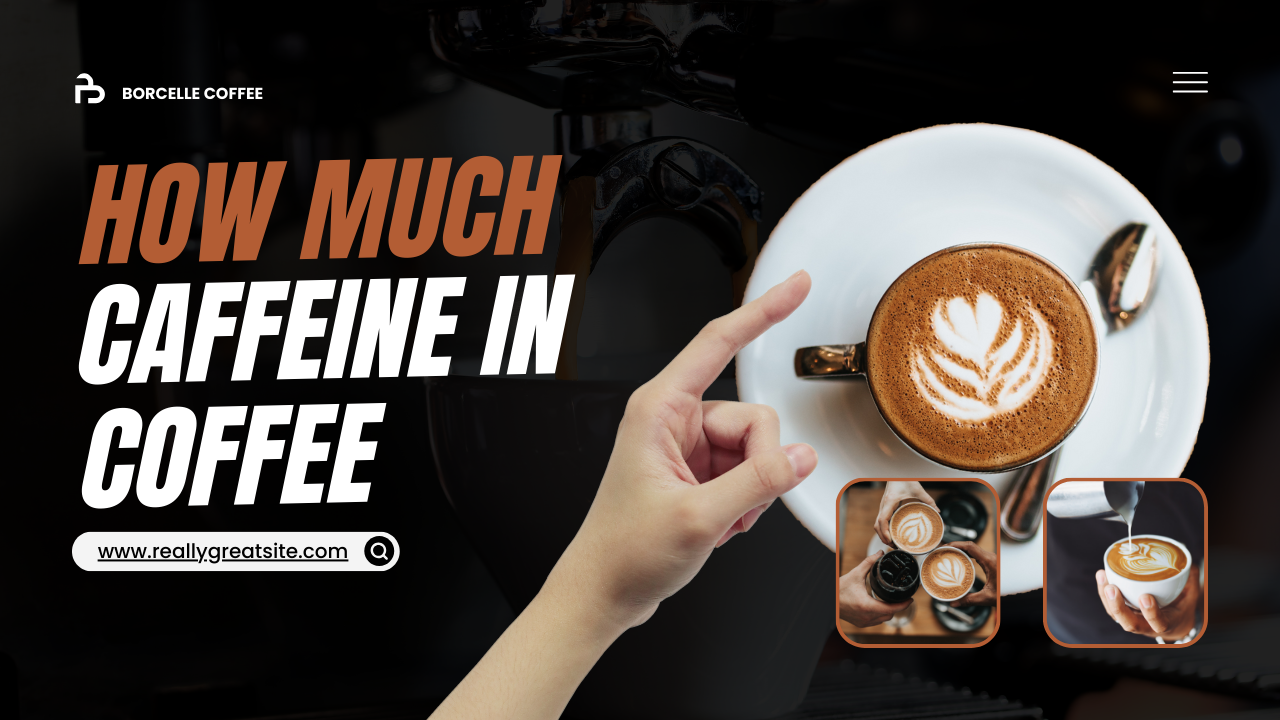
The Caffeine Content of Coffee: How Much Is Really in Your Cup?
Coffee is one of the most widely consumed beverages in the world. Millions of people rely on it daily to stay alert, improve concentration, and enjoy its rich aroma and flavor. While taste and warmth play a role in coffee’s popularity, caffeine is the main driving force behind its appeal. One of the most common questions coffee lovers ask is: how much caffeine is in coffee? The answer is not straightforward because caffeine content varies depending on several factors such as coffee type, brewing method, bean variety, and serving size. Understanding caffeine levels in coffee helps people manage daily intake and avoid unwanted side effects.
What Is Caffeine and Why Is It Found in Coffee?
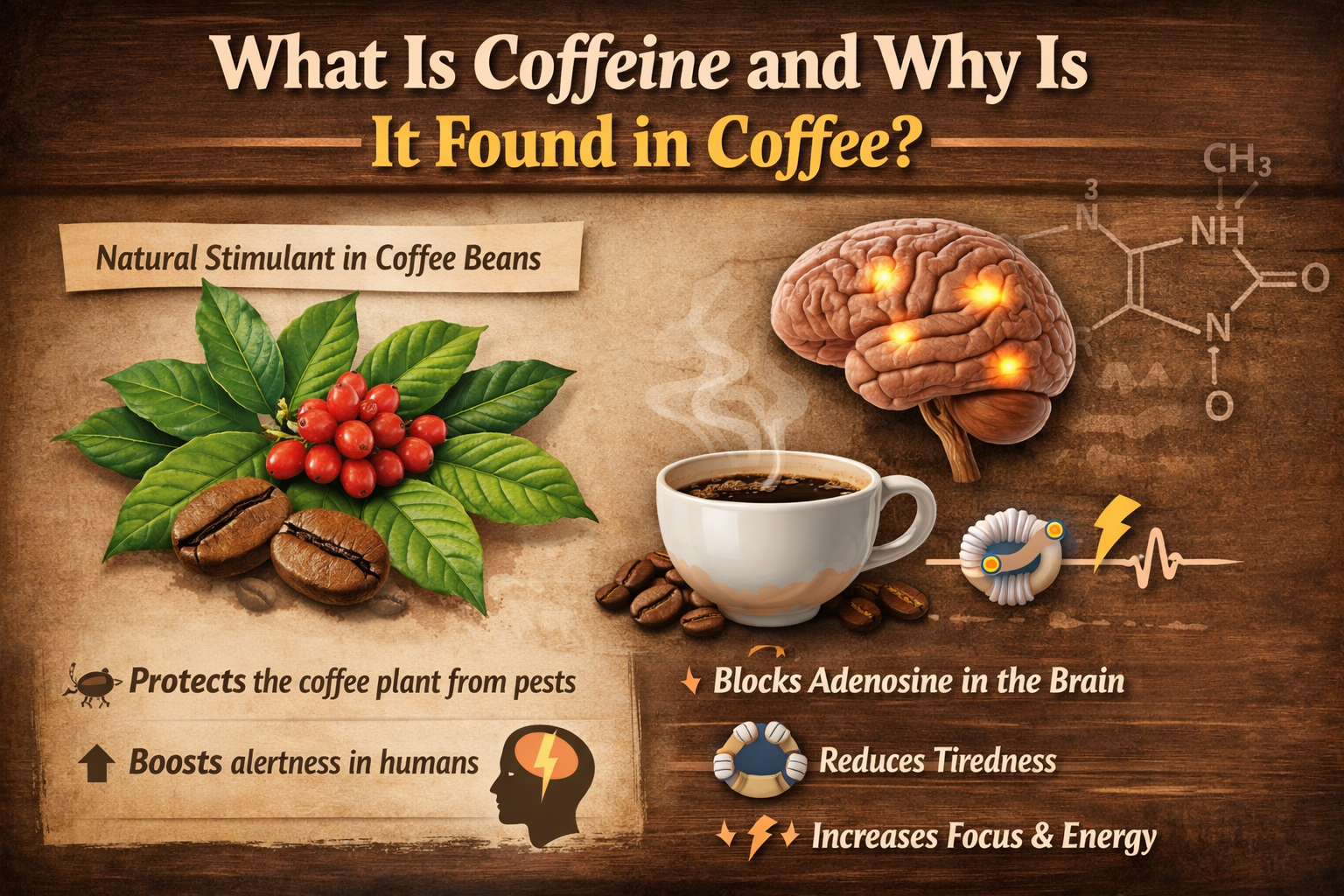
Caffeine is a natural stimulant found in coffee beans, tea leaves, and cocoa plants. In coffee plants, caffeine acts as a defense mechanism against insects. In humans, however, it stimulates the central nervous system. When consumed, caffeine blocks adenosine receptors in the brain, reducing feelings of tiredness and increasing alertness. This effect explains why coffee is commonly consumed in the morning or during long working hours. Since caffeine content differs between coffee types, knowing what you drink is essential for maintaining balanced energy levels.
see more : How Much Caffeine In Green Tea
Average Caffeine Content per Cup of Coffee
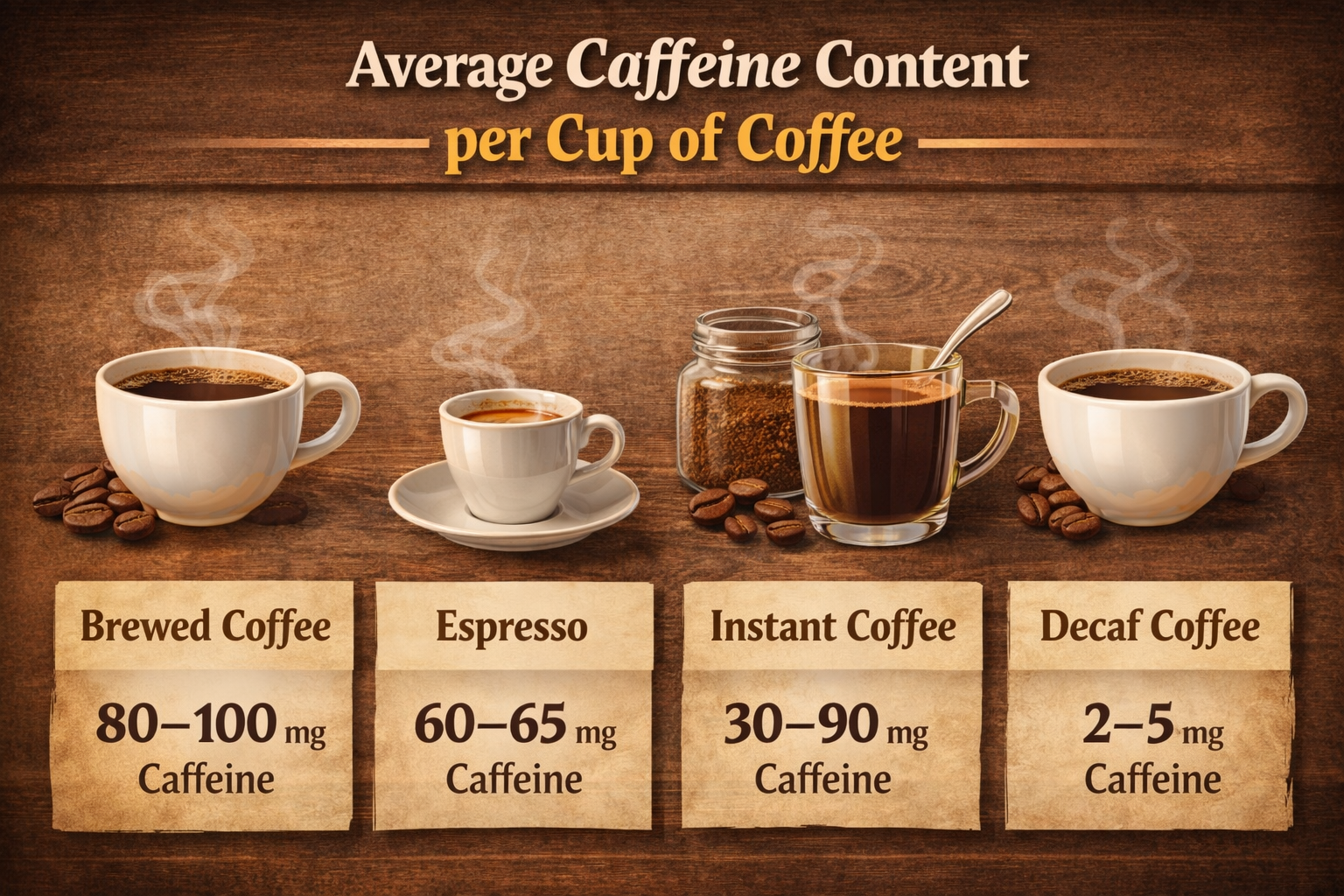
On average, an 8-ounce cup of brewed coffee contains about 80–100 mg of caffeine. This amount is considered moderate and safe for most healthy adults. However, this figure is only an estimate. Many coffee shops serve cups larger than 8 ounces, which can significantly increase caffeine intake without people realizing it. Factors such as grind size, brewing time, and water temperature also influence the final caffeine concentration in a cup.
Caffeine in Brewed Coffee
Brewed coffee is the most common coffee type worldwide. It is made by pouring hot water over ground coffee beans and allowing the caffeine and flavors to extract gradually. Brewed coffee typically offers a balanced caffeine level, providing steady energy rather than a sudden spike. Increasing the amount of coffee grounds or extending the brewing time can raise caffeine levels. This is why home-brewed coffee may vary in strength unless measurements are carefully controlled.
How Much Caffeine Is in Espresso?
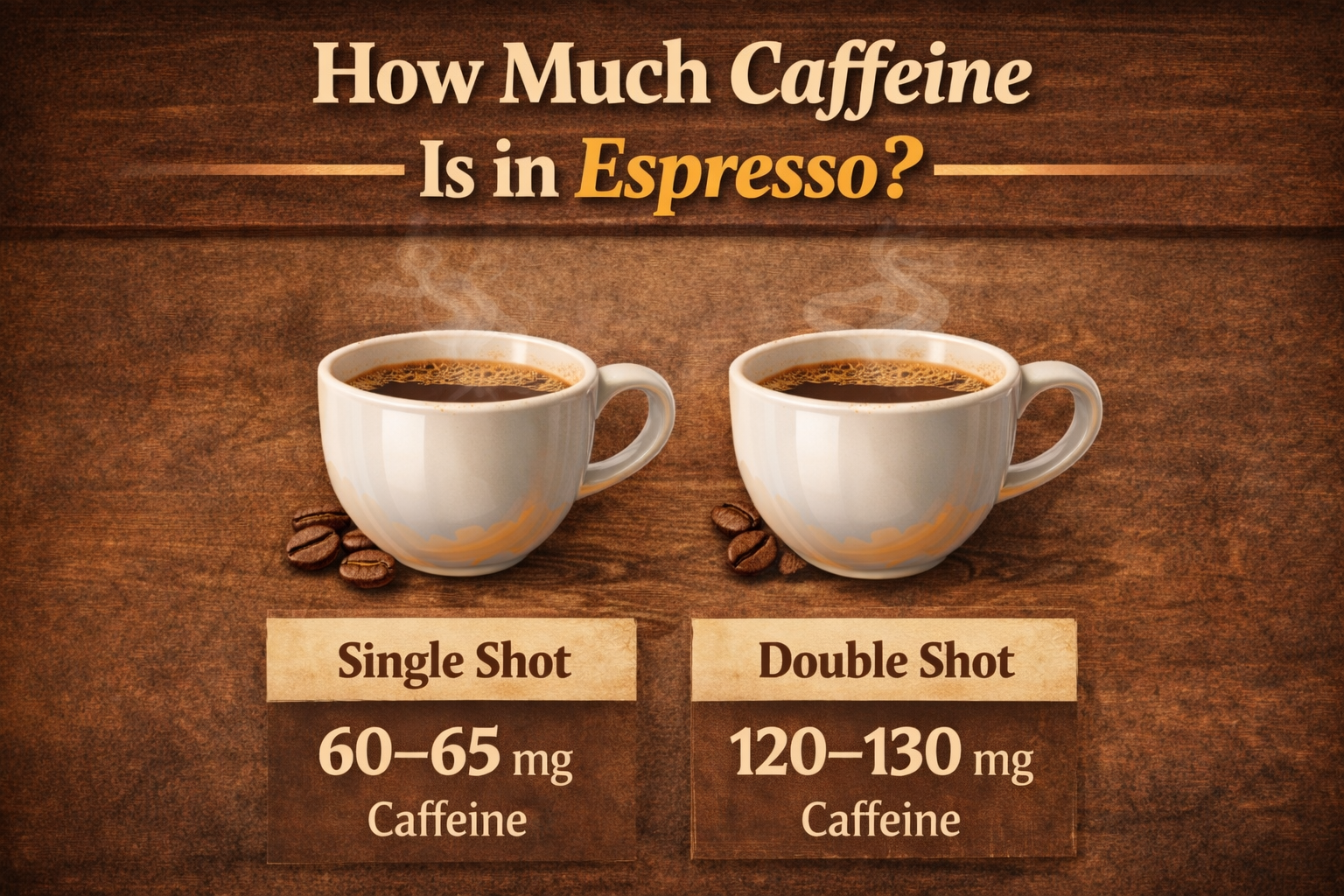
Espresso is often misunderstood as having extremely high caffeine content. While espresso tastes strong and concentrated, it actually contains less caffeine per ounce than brewed coffee. A single shot of espresso (about 1 ounce) has roughly 60–65 mg of caffeine. However, espresso-based drinks like lattes, cappuccinos, and americanos often include multiple shots. As a result, a large espresso drink may contain more caffeine than a standard cup of brewed coffee.
Instant Coffee and Its Caffeine Levels
Instant coffee is produced by brewing coffee and then drying it into powder or crystals. Due to this processing method, instant coffee generally contains less caffeine than freshly brewed coffee. A typical cup of instant coffee provides 30–90 mg of caffeine, depending on the brand and the amount used. Instant coffee is a suitable option for people who enjoy coffee flavor but want better control over their caffeine intake.
Is Decaffeinated Coffee Completely Caffeine-Free?
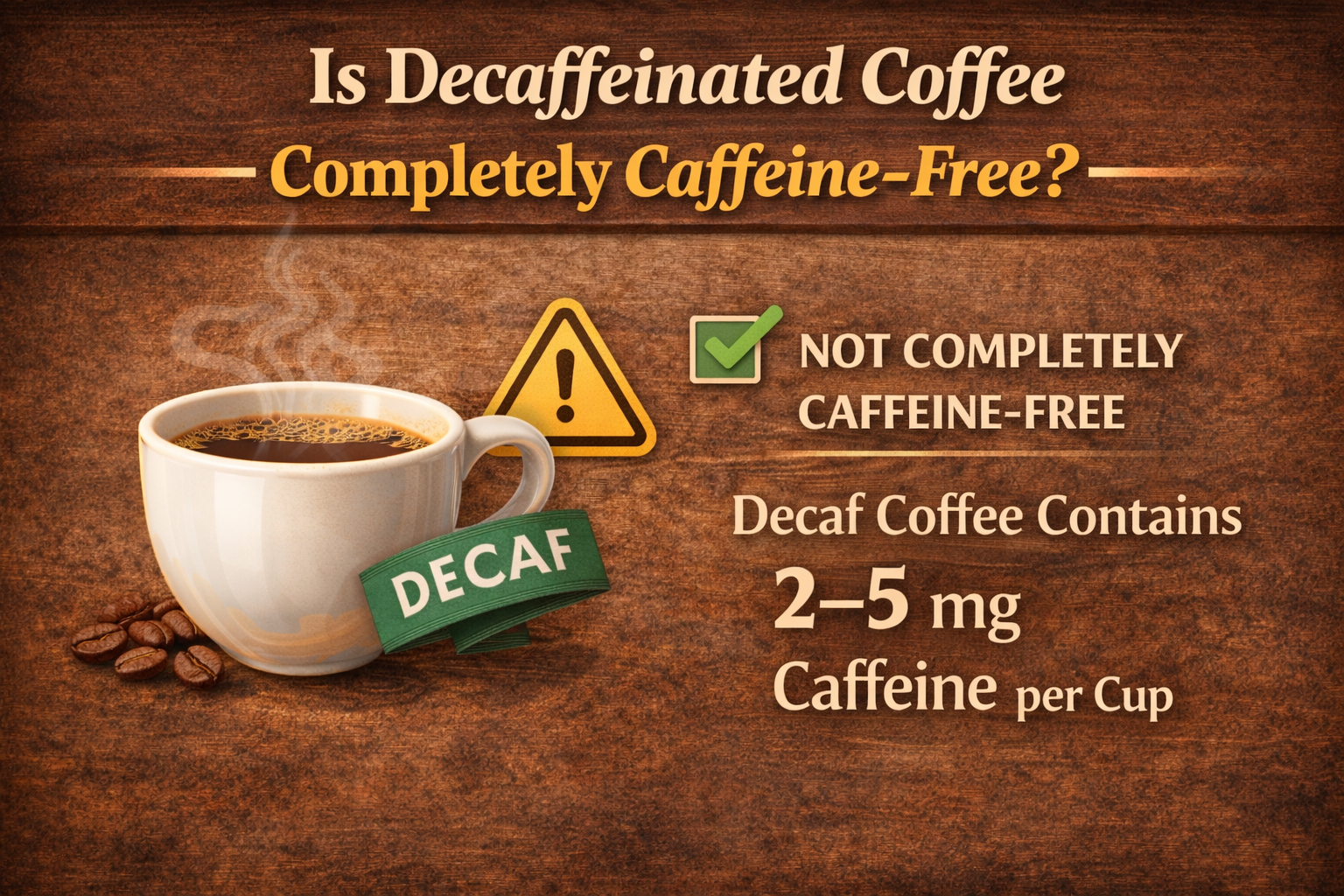
Decaffeinated coffee is often chosen by people who are sensitive to caffeine, but it is not 100% caffeine-free. Most decaf coffee contains 2–5 mg of caffeine per cup. While the decaffeination process removes most of the caffeine, small traces remain. For highly caffeine-sensitive individuals, even decaf coffee may cause mild effects if consumed frequently.
Factors That Affect Caffeine Content in Coffee
Several elements influence caffeine levels in coffee, including:
-
Coffee bean type (Arabica vs. Robusta)
-
Roast level (light roasts often contain slightly more caffeine)
-
Brewing method
-
Serving size
-
Coffee-to-water ratio
Being aware of these factors allows coffee drinkers to make informed choices that match their energy needs.
Caffeine and Famous Coffee Beverages: What You Need to Know
Most people today enjoy coffee in the form of popular specialty beverages rather than plain black coffee. Drinks like lattes, cappuccinos, mochas, and iced coffees are commonly made using espresso and milk. While milk changes the flavor and texture of coffee, it does not reduce the caffeine content. Instead, caffeine levels in these beverages depend mainly on the number of espresso shots used. Larger and colder coffee drinks often contain more caffeine because they use extra shots or a higher volume of coffee.
Caffeine in Popular Coffee Drinks
Specialty coffee beverages vary widely in caffeine content. A standard latte or cappuccino usually contains one or two shots of espresso, which equals 60–130 mg of caffeine. Mocha drinks often include additional ingredients like chocolate, but the caffeine level still comes from espresso. Iced coffees and cold beverages served in large cups may contain significantly more caffeine due to increased serving size. As a result, a single café drink can sometimes deliver the same caffeine as two or three regular cups of coffee.
Coffee Beans and Their Effect on Caffeine Levels
Arabica vs Robusta Coffee Beans
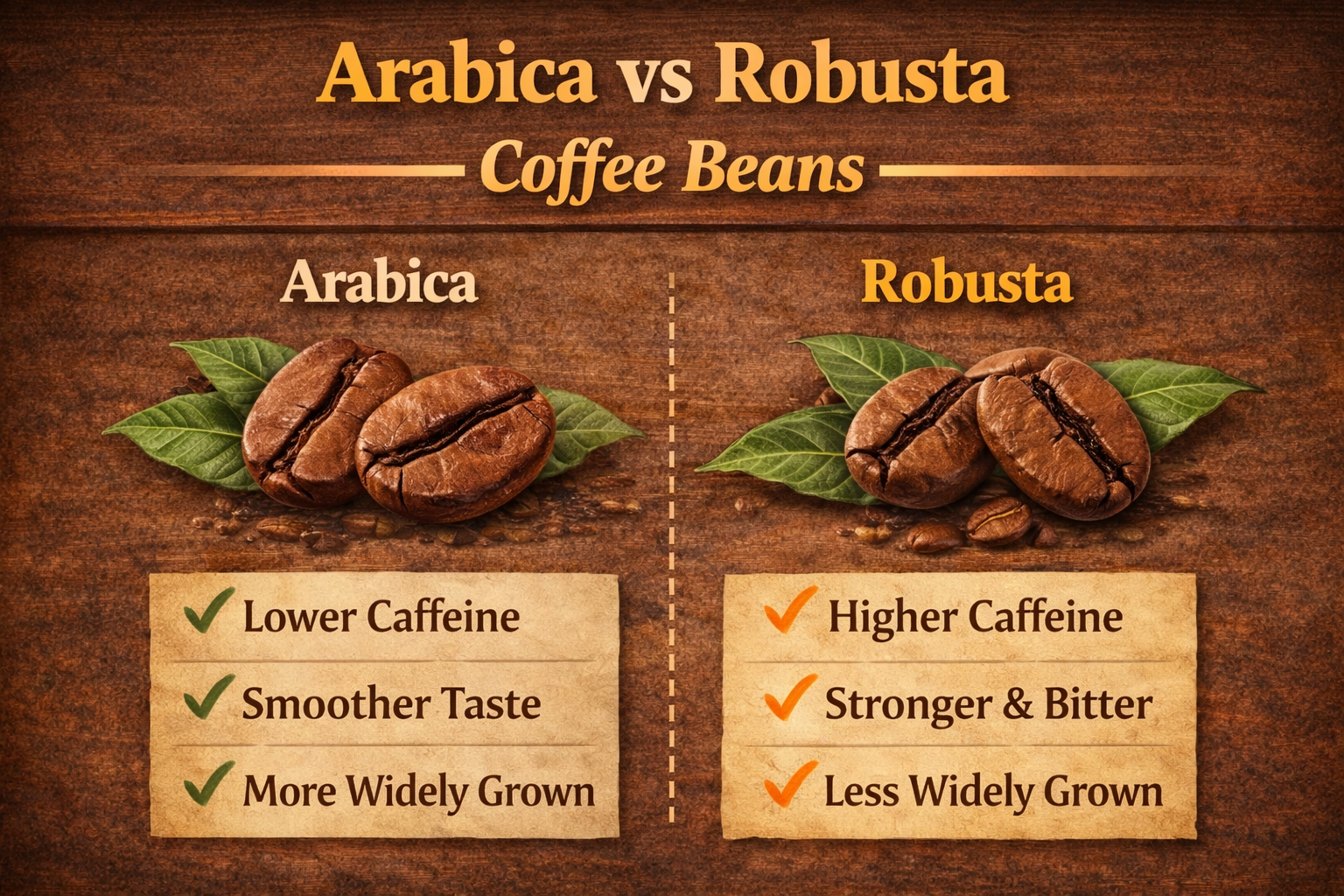
The type of coffee bean plays a major role in determining caffeine content. Arabica beans are the most commonly used worldwide and are known for their smooth, mild flavor and lower caffeine levels. On the other hand, Robusta beans contain nearly twice as much caffeine and have a stronger, more bitter taste. Many commercial blends and instant coffees include Robusta beans to provide a stronger caffeine boost, which explains why some coffees taste more intense even in small amounts.
Brewing Methods and Caffeine Extraction
How Brewing Style Affects Caffeine
Different brewing methods extract caffeine at different rates. Longer brewing times typically result in higher caffeine extraction. Cold brew coffee is a prime example—it is steeped for 12 to 24 hours, leading to a higher caffeine concentration compared to hot-brewed coffee. French press coffee also tends to be stronger because coffee grounds remain in contact with water for a longer period.
In contrast, faster brewing methods like espresso extraction may produce a lower caffeine level per ounce, even though the taste is stronger. Brewing technique plays a key role in determining how much caffeine ends up in your cup.
Serving Size: The Hidden Source of Excess Caffeine
Serving size is one of the most overlooked factors when it comes to caffeine intake. Many people assume one cup equals one serving, but coffee shop portions are often much larger. A large takeaway coffee may contain caffeine equivalent to two or three standard servings. This can push daily caffeine consumption beyond safe limits without people realizing it. Monitoring cup size is just as important as choosing the type of coffee.
What Is the Safe Daily Caffeine Limit?
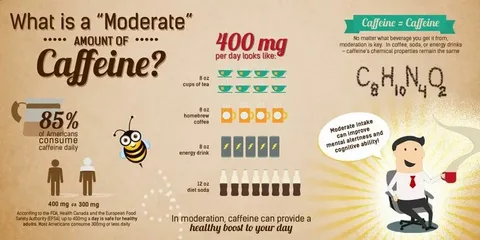
According to health experts, up to 400 mg of caffeine per day is considered safe for most healthy adults. This equals roughly four cups of regular brewed coffee. However, caffeine sensitivity varies from person to person. Some individuals experience anxiety, rapid heartbeat, or restlessness after just one cup, while others tolerate higher amounts without noticeable effects. Pregnant women and individuals with medical conditions are generally advised to consume less caffeine.
Signs of Too Much Caffeine Intake
Consuming excessive caffeine may lead to several physical and mental symptoms, including:
-
Nervousness and anxiety
-
Insomnia or sleep disruption
-
Increased heart rate
-
Digestive discomfort
-
Headaches and energy crashes
These signs indicate that it may be time to reduce caffeine consumption and adjust daily habits.
How to Manage Your Caffeine Consumption
Coffee lovers don’t need to quit caffeine entirely. Smart caffeine management includes choosing smaller portions, opting for decaf or lighter blends, and avoiding coffee late in the day. Drinking coffee earlier helps prevent sleep disturbances. Being aware of coffee strength, brewing method, and serving size allows you to enjoy coffee’s benefits without negative side effects.
Conclusion: Understanding How Much Caffeine Is in Coffee
The caffeine content of coffee varies widely based on bean type, brewing method, serving size, and beverage style. One cup may contain as little as 30 mg or as much as 200 mg of caffeine. Understanding these differences empowers you to make healthier choices that fit your lifestyle and tolerance. When consumed in moderation, coffee can be a satisfying and beneficial beverage. Knowing the caffeine content in your cup is the key to enjoying coffee responsibly and safely.