Is HEYTEA Halal?

Is HEYTEA Halal?

Is HEYTEA Halal? A Complete Guide for Muslim Consumers

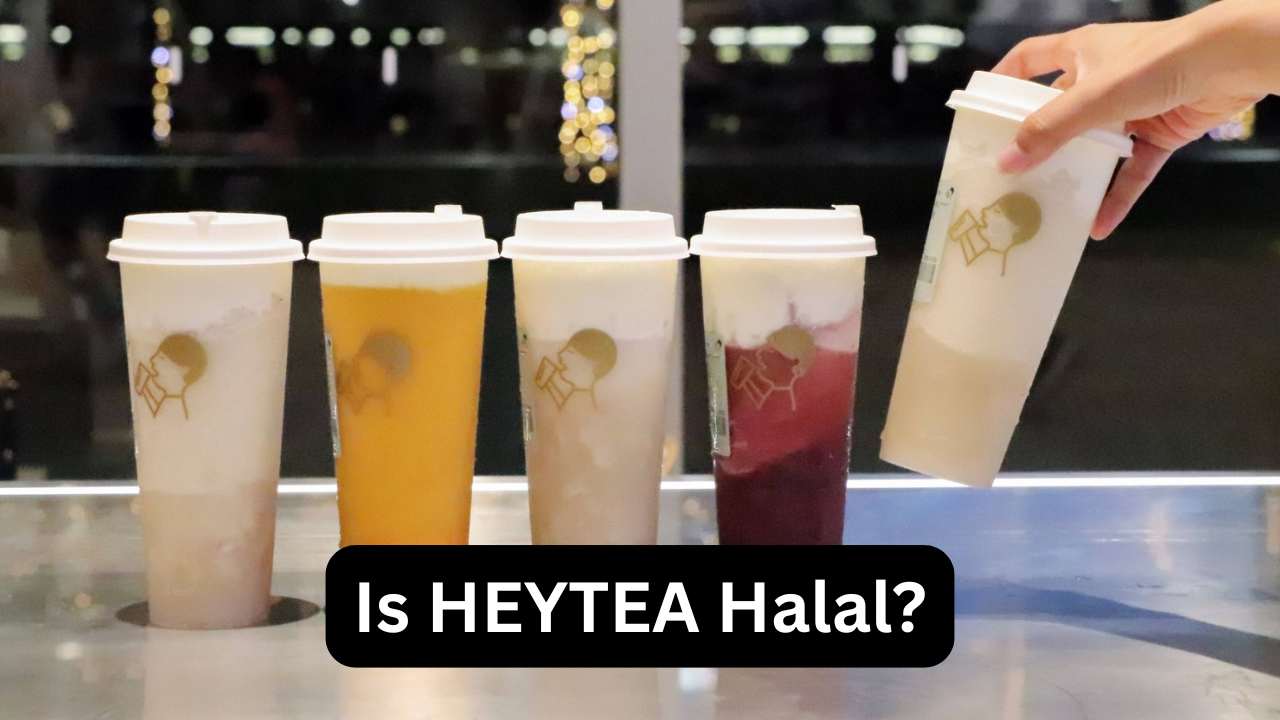
As global food and beverage brands continue to expand internationally, Muslim consumers increasingly seek clarity about whether popular products meet halal standards. One brand that often raises questions is HEYTEA, a well-known modern tea chain famous for its cheese teas, fruit teas, milk teas, and innovative beverage blends. With its rapid growth across Asia and other regions, many Muslims ask an important question: Is HEYTEA halal?

The answer is not always straightforward. HEYTEA’s halal status depends on several factors, including ingredients, preparation methods, and whether the brand holds halal certification in a specific country. This guide explains these factors clearly to help Muslim consumers make informed decisions.
Is HEYTEA Halal?

Understanding the Concept of Halal in Beverages

In Islam, halal refers to anything that is permissible according to Islamic law. When it comes to food and beverages, halal compliance applies not only to ingredients but also to how products are prepared and served.

A beverage is generally considered halal if:

  • It contains no alcohol or intoxicating substances

  • It does not include pork or pork-derived ingredients

  • Any dairy or animal-based components are from halal-certified sources

  • Preparation equipment is free from cross-contamination with non-halal items

Even drinks that appear simple can become non-halal due to flavorings, syrups, toppings, or fermentation processes. This is why halal certification plays a critical role in verifying compliance.
Understanding the Concept of Halal in Beverages

What Is HEYTEA?

HEYTEA is a modern tea brand that originated in China and gained popularity for introducing cheese tea to mainstream beverage culture. Over time, the brand expanded its menu to include fruit teas, milk teas, cold brews, and limited-edition seasonal drinks.

HEYTEA is known for its emphasis on freshness, premium ingredients, and creative presentation. However, because HEYTEA operates across multiple countries, ingredients, suppliers, and preparation methods may vary by location. This variation is a key reason why HEYTEA’s halal status cannot be universally applied worldwide.

Is HEYTEA Halal in Muslim-Majority Countries?

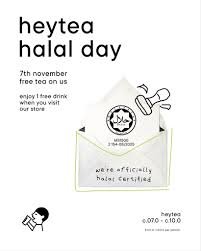
In some Muslim-majority countries, HEYTEA has taken steps to comply with halal requirements. When a HEYTEA outlet is officially halal-certified by a recognized Islamic authority, it means that:

  • All ingredients used are halal-approved

  • Food and beverage preparation meets halal hygiene standards

  • Cross-contamination with non-halal products is avoided

  • Supply chains are reviewed and monitored

In these locations, Muslim consumers can confidently consume HEYTEA beverages that fall under the halal certification scope.

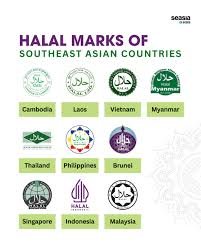
However, halal certification is location-specific. Approval in one country does not automatically apply to HEYTEA outlets in other regions.
Is HEYTEA Halal in Muslim-Majority Countries?

What About HEYTEA in Non-Muslim Countries?

In non-Muslim countries, HEYTEA outlets are often not officially halal certified, mainly because halal certification is neither legally required nor widely practiced. This does not automatically mean that HEYTEA drinks are haram. Instead, it means there is no formal written guarantee confirming their halal status.

The lack of certification creates uncertainty for Muslim consumers, especially those who strictly follow halal dietary rules. Without official oversight, customers must rely on ingredient transparency and their personal comfort level when deciding whether to consume HEYTEA beverages.

Common Halal Concerns in Non-Muslim Nations

In countries without halal regulation, several potential issues may arise at HEYTEA outlets:

  • Shared preparation areas with non-halal foods or beverages

  • Flavoring syrups or extracts that may contain alcohol-based solvents

  • Cheese, cream, or milk ingredients with unclear sourcing

  • Cleaning procedures that do not meet halal sanitation standards

Because these factors vary from store to store, Muslim consumers should remain cautious when ordering from uncertified locations.

Are HEYTEA Drinks Alcoholic?

Most standard HEYTEA beverages do not intentionally contain alcohol. However, some flavored syrups, fruit extracts, or aroma compounds may be produced using alcohol during processing. Even if the alcohol content is extremely small or evaporates during production, it can still be a concern for those following strict halal guidelines.

Generally safer options include:

  • Plain tea (green tea, black tea, oolong tea)

  • Fresh fruit teas

  • Basic milk teas without specialty flavorings

Specialty or seasonal drinks should always be examined more closely. Asking store staff about ingredients is strongly recommended before ordering.

Cheese Tea and Halal Concerns

Cheese tea is HEYTEA’s signature product, combining tea with a thick, creamy cheese foam topping. While popular, cheese tea raises several important halal-related questions:

  • Are the enzymes used to make the cheese halal-certified?

  • Is the milk sourced from halal-compliant suppliers?

  • Is the preparation area free from non-halal cross-contamination?

Cheese can be halal if it is produced using microbial enzymes or halal-certified rennet. However, in the absence of halal certification, verifying this information can be difficult. As a result, many Muslim consumers prefer to avoid cheese-based drinks unless clear halal confirmation is available.

Why Halal Certification Matters

Halal certification goes beyond ingredient labeling. It ensures that the entire production and preparation process follows Islamic guidelines. Certified businesses are typically evaluated for:

  • Ingredient sourcing and verification

  • Proper storage practices

  • Equipment sanitation and cleaning procedures

  • Staff training and food handling standards

For large international beverage chains like HEYTEA, halal certification demonstrates accountability and respect toward Muslim consumers. It also removes the need for customers to investigate individual ingredients or preparation methods themselves.

How to Check If HEYTEA Is Halal in Your Country

If you are unsure about the halal status of HEYTEA in your region, consider the following steps:

  • Look for official halal certification logos in-store or on menus

  • Ask staff whether the outlet is halal certified

  • Request detailed ingredient information for specific drinks

  • Avoid beverages with unclear additives or flavorings

  • Consult local halal authorities or certification bodies

These steps help ensure that your choices align with your religious beliefs and personal comfort.

How to Check If HEYTEA Is Halal in Your Country

Should Muslim Consumers Avoid HEYTEA Completely?

The decision ultimately depends on individual belief, awareness, and location. Some Muslims choose to consume HEYTEA only in halal-certified outlets, while others opt for simple teas or fruit-based drinks when ingredients are clearly permissible.

Islam encourages avoiding doubtful matters while also recognizing practical limitations. Each consumer must decide based on available information and their level of religious observance.

Final Verdict: Is HEYTEA Halal or Not?

  • In halal-certified countries or outlets: HEYTEA can be considered halal

  • In non-certified locations: Halal status remains uncertain and depends on ingredients and preparation

  • Cheese tea and flavored drinks: Require extra caution without certification

There is no universal answer for all HEYTEA stores worldwide. Halal compliance depends on location, certification, and preparation methods.

Conclusion

HEYTEA is a globally popular tea brand offering a wide variety of beverages, many of which are halal in principle. However, without official halal certification, halal status cannot be guaranteed. Muslim consumers should always check local certification, ask questions, and choose drinks that align with their comfort level.

Balancing faith and modern lifestyle choices is possible—with awareness, informed decisions, and mindful consumption.

You might also like