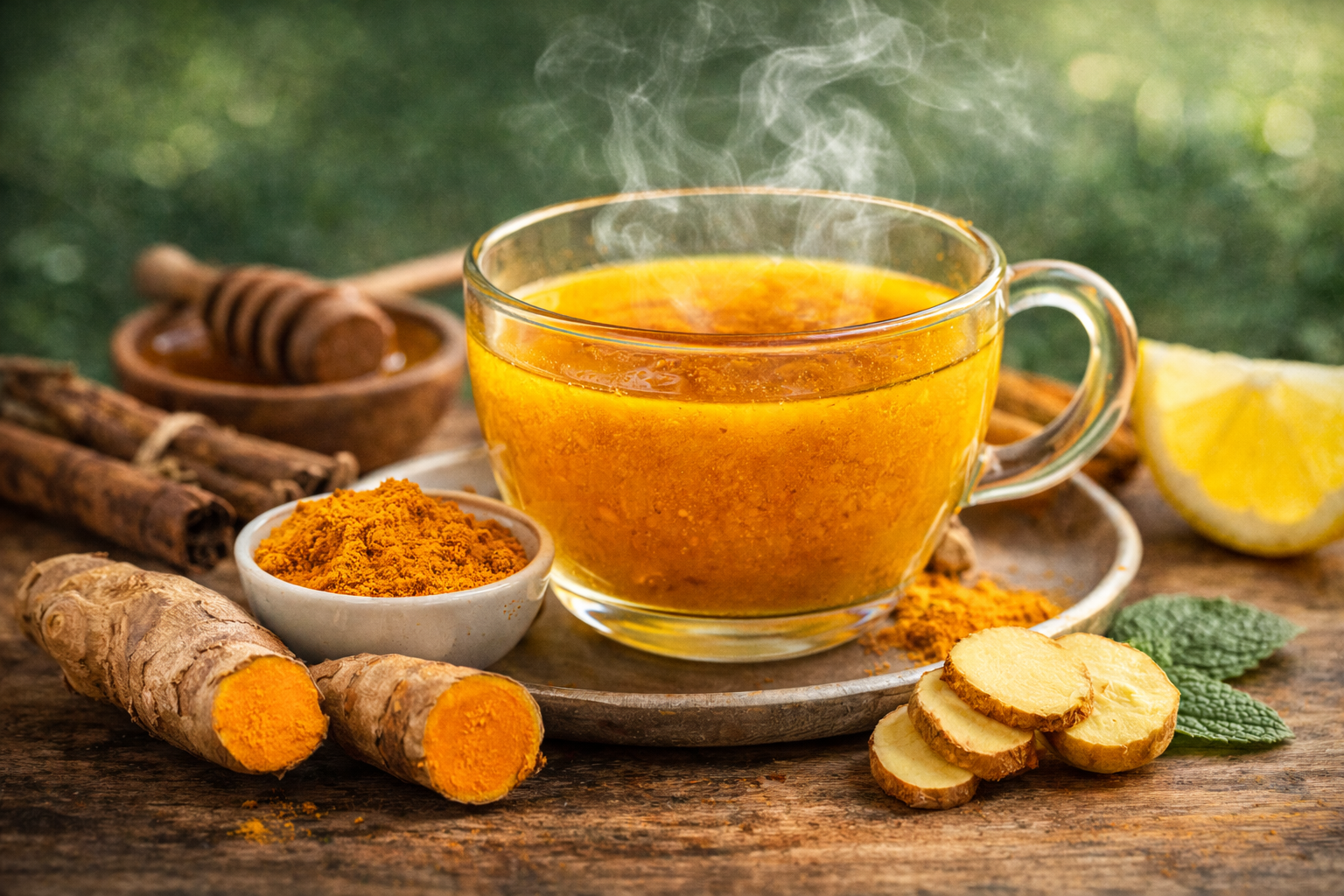
What Tea Is Good for a Sore Throat?
A sore throat can make even the simplest activities—swallowing, talking, or sleeping—uncomfortable and painful. Whether it’s caused by a cold, flu, allergies, dry air, or excessive use of your voice, soothing the throat quickly becomes a top priority. One of the most comforting and effective natural remedies people turn to is tea. Warm tea not only provides hydration but also delivers natural compounds that can reduce irritation, calm inflammation, and support healing.
For centuries, tea has been used across cultures as a gentle and effective remedy for throat discomfort. The warmth relaxes throat muscles, improves blood circulation, and helps thin mucus, making it easier to clear. When tea is combined with healing herbs, spices, or natural ingredients, it becomes even more powerful. Understanding which tea is best for a sore throat can help you recover faster and feel better sooner.

Why Tea Is Effective for a Sore Throat
Before choosing the right tea, it helps to understand why tea works so well for throat pain. Warm tea coats the throat, providing temporary relief from dryness, scratchiness, and irritation. Unlike very cold drinks, which can tighten tissues, or sugary beverages that may worsen inflammation, tea is gentle and soothing.
Another major benefit of tea is hydration. Dehydration can make a sore throat feel worse and slow down the healing process. Drinking tea regularly keeps the throat moist and supports immune function. Many herbal teas are caffeine-free, meaning they can be consumed several times a day without causing side effects like dehydration or restlessness.
Additionally, many teas contain antioxidants, antibacterial compounds, and anti-inflammatory properties that help the body fight infections and reduce swelling in the throat tissues.

Ginger Tea for Sore Throat Relief
Ginger tea is one of the most effective teas for soothing a sore throat. Ginger contains a natural compound called gingerol, which has strong anti-inflammatory and antimicrobial properties. Drinking ginger tea helps reduce throat swelling and may fight bacteria or viruses responsible for irritation.
The gentle spiciness of ginger improves blood flow, allowing healing nutrients to reach the affected area more efficiently. Ginger tea is especially useful for sore throats caused by colds or flu, as it can also ease coughing and chest congestion. It helps relax throat muscles and reduce irritation triggered by frequent coughing.
For extra relief, ginger tea can be combined with honey and lemon to enhance its soothing and antibacterial effects.
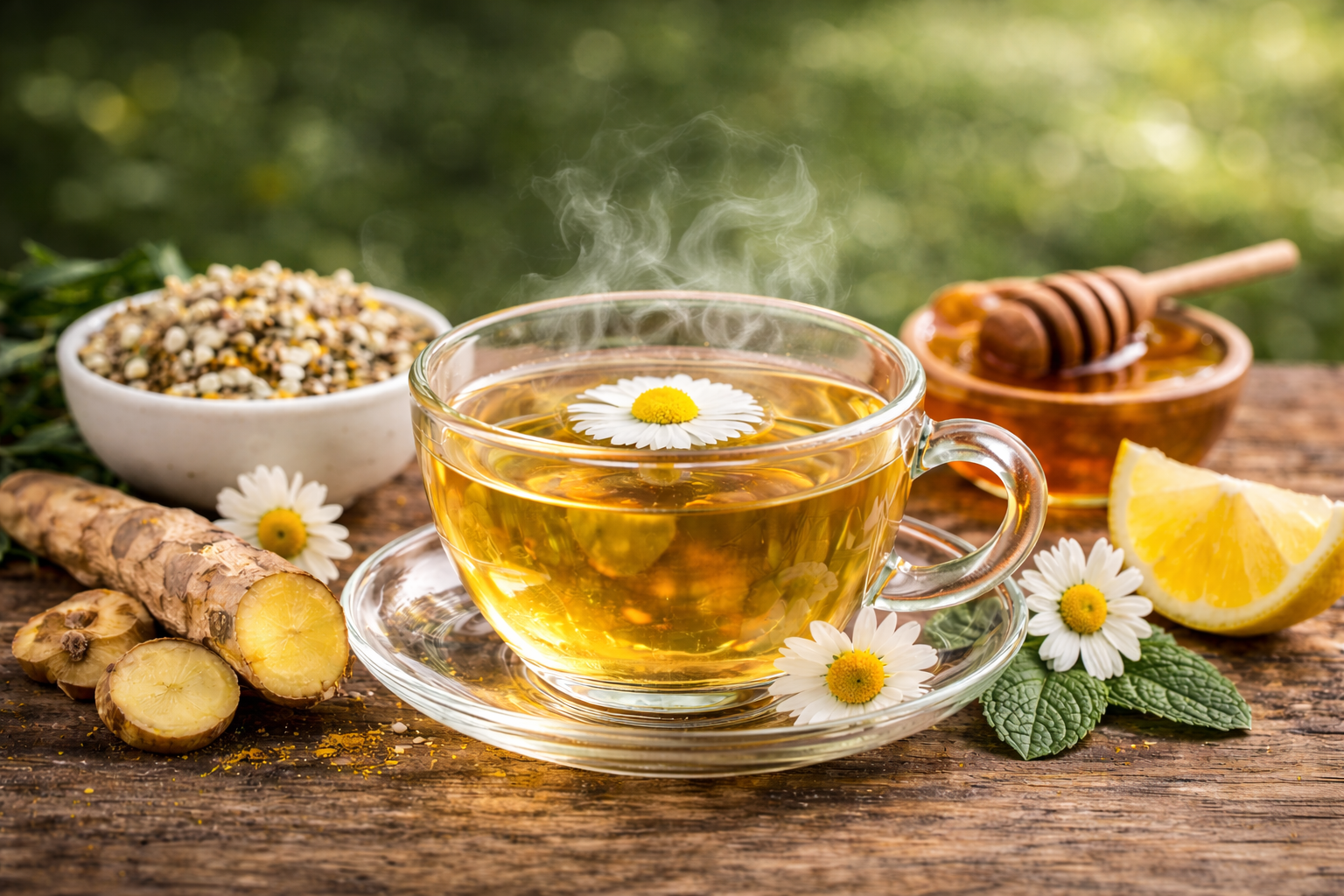
Chamomile Tea for Throat Comfort
Chamomile tea is another excellent choice for sore throat relief. Known for its calming properties, chamomile helps relax the body while soothing irritated throat tissues. It contains antioxidants that support immune health and anti-inflammatory compounds that reduce throat swelling.
Chamomile tea is particularly beneficial at night, as sore throat symptoms often worsen during sleep due to dryness or post-nasal drip. Drinking chamomile tea before bedtime can help relieve discomfort and promote better sleep. Inhaling the steam from hot chamomile tea may also help reduce nasal congestion and throat dryness.
Because chamomile is caffeine-free, it can be safely consumed multiple times throughout the day.
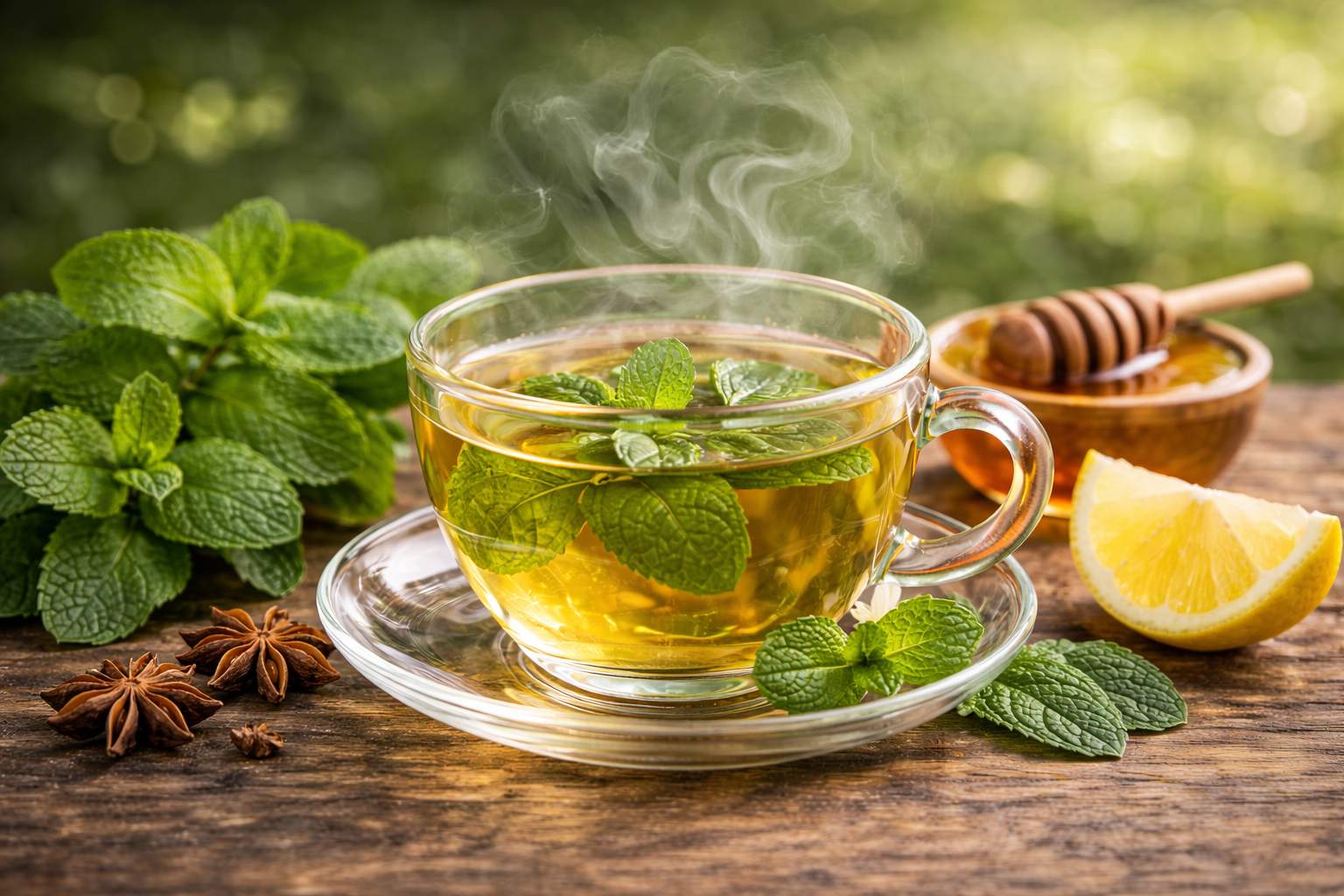
Peppermint Tea for Cooling Relief
Peppermint tea offers a unique type of sore throat relief due to its menthol content. Menthol provides a cooling sensation that temporarily numbs throat pain, making swallowing easier. This makes peppermint tea especially helpful for sharp or burning throat discomfort.
In addition to pain relief, peppermint has mild antibacterial and antiviral properties. It can help break down mucus, open airways, and reduce sinus pressure when a sore throat is accompanied by congestion. Its refreshing taste makes it easy to drink, even when appetite is low.
Peppermint tea is a great option for daytime use when you need quick, cooling relief.
Green Tea for Immune Support
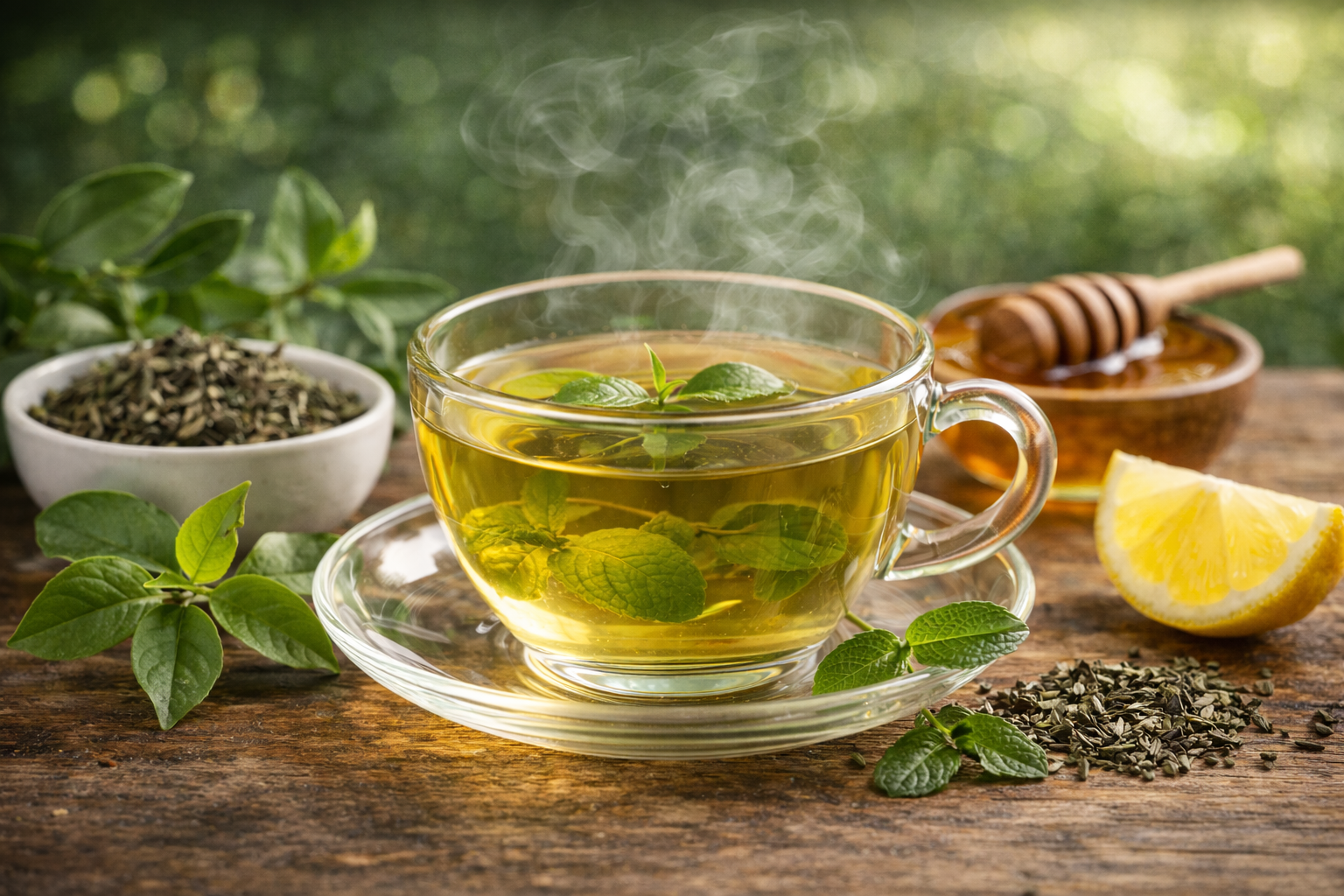
Green tea is widely known for its high antioxidant content, particularly catechins, which support the immune system. When dealing with a sore throat, green tea can help reduce inflammation while strengthening the body’s ability to fight infections.
Warm green tea is gentle on the throat and has a clean, mild taste that many people find soothing. It may be especially helpful in the early stages of a sore throat, potentially preventing symptoms from worsening. While green tea does contain caffeine, the amount is relatively low and safe when consumed in moderation.
Adding a teaspoon of honey can further enhance its soothing effect.
Licorice root tea has long been used as a natural remedy for sore throats and coughs. It contains compounds that coat the throat, protecting it from irritation and dryness. This makes it particularly useful for sore throats caused by excessive talking, singing, or exposure to dry air.
Licorice root also has natural antiviral and antibacterial properties, helping the body fight infections. Its naturally sweet flavor makes it enjoyable to drink without added sugar. However, licorice root tea should be consumed in moderation, especially by individuals with high blood pressure or heart conditions.